Discover the Top 20 Restaurants in Downtown Golden, Colorado: Superganix’s Favorites
Golden, Colorado, is not only a hotspot for outdoor adventures but also a culinary haven featuring a diverse array of restaurants to satisfy any craving. Whether you’re in town exploring the Clear Creek Trail or visiting Superganix CBD for top-tier wellness products, you’ll want to check out these top-rated dining destinations. Based on stellar Google reviews, amazing customer service, and incredible food, here’s a guide to Superganix’s favorite restaurants, in no particular order, in downtown Golden, complete with addresses, ratings, and direct links to their reviews.
Description: Known for its bold flavors and vibrant decor, this cantina is a favorite for margaritas and hearty meals. Try their happy hour margs, they’re amazing!
Description: Serving up gourmet sandwiches with a variety of fresh, creative ingredients in a casual setting. These guys have been around for ages, go and check them out and find out why!
Whether you’re visiting Golden for the outdoor adventures or stopping by Superganix CBD for premium wellness products, the town’s culinary scene has something for everyone. Be sure to check out these incredible restaurants and experience the flavors that make Golden such a special place. Let us know your favorites, and don’t forget to grab your Superganix CBD products to keep your Golden adventures stress-free and full of energy!
Bon appétit!
Want to learn more about Golden, Colorado and Superganix CBD? Check out our BLOG!
(Yes, we know we said 20, but there are too many to list in just 20! Here are a few more bonus spots to check out:
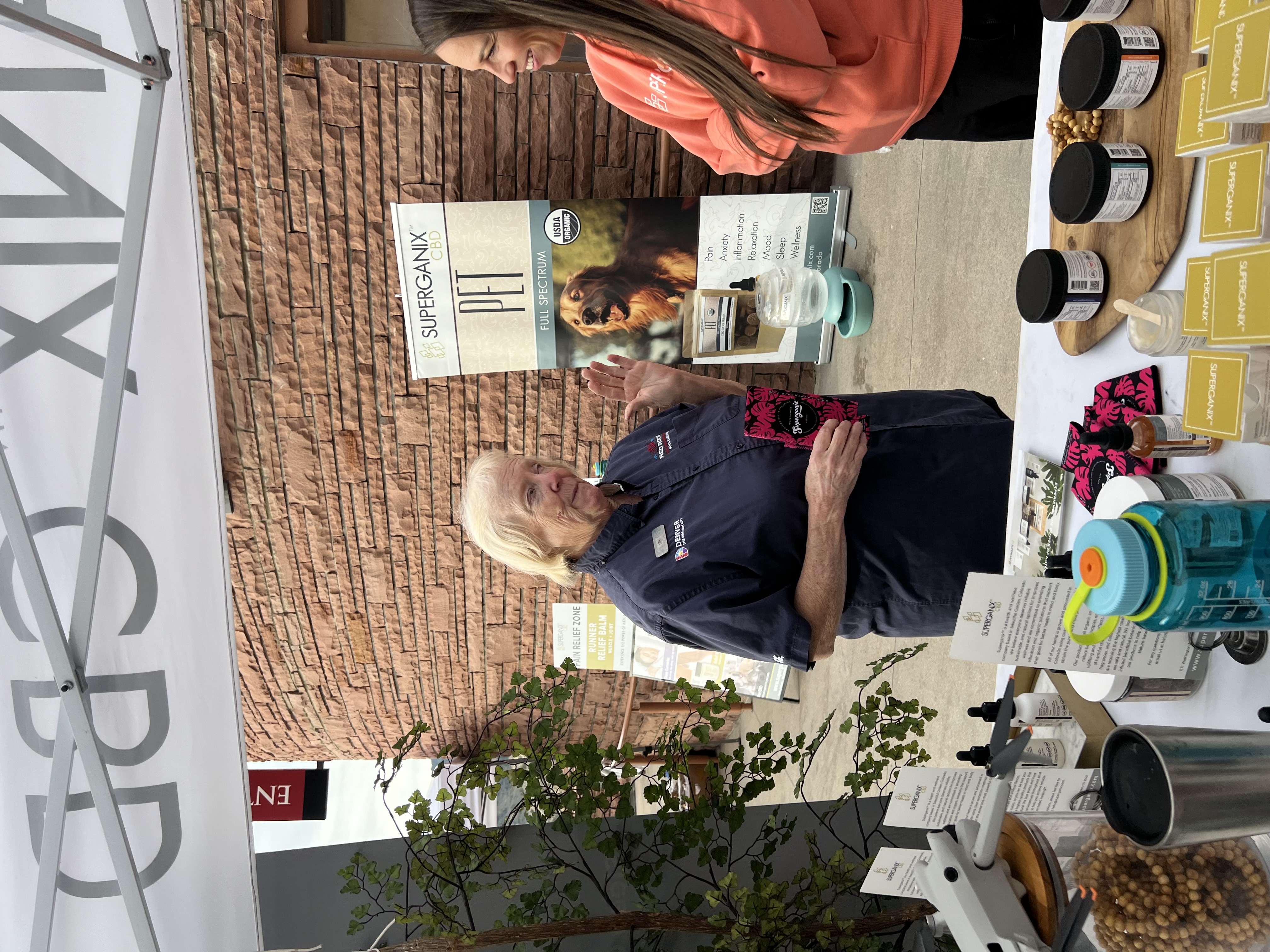
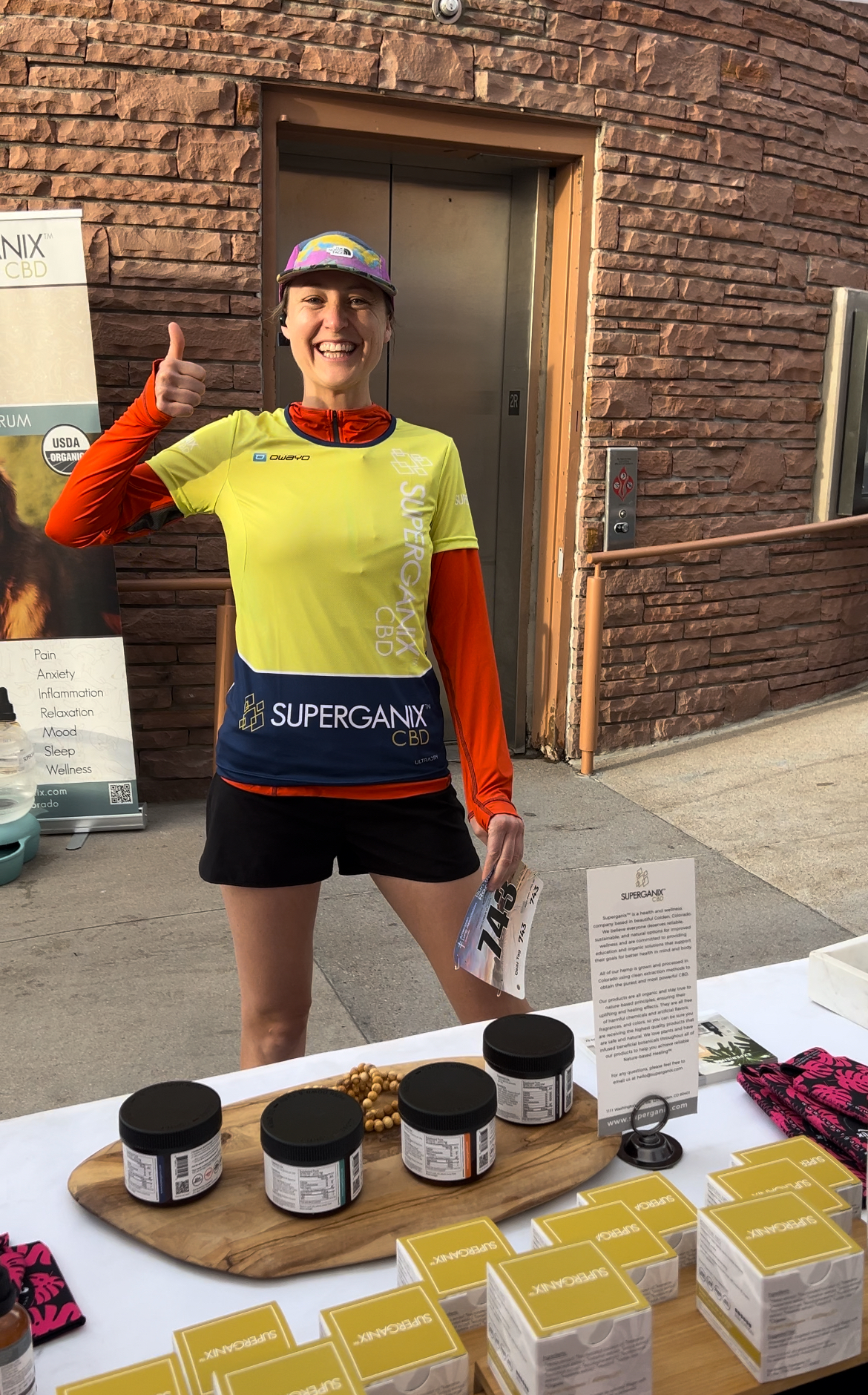
Superganix CBD today has made waves as the first company to exhibit with the American Lung Association (ALA) during the Run the Rocks event. Not only were we the first CBD company to be allowed to offer products with the ALA, but we were also the first company to sell CBD products at Red Rocks Amphitheatre. Our mission to promote wellness through hemp-based products aligns seamlessly with ALA’s commitment to lung health, making this a perfect match.
Supporting the American Lung Association
Our support of the American Lung Association reflects our shared values of promoting health and well-being. The ALA’s focus on lung health aligns with Superganix CBD’s mission to provide natural relief that supports an active, healthy lifestyle. Participating in the Run the Rocks event allowed us to connect with a health-conscious local community while contributing to a worthy cause. Be sure and check off this 1.3 mile and 5k walk/run race at Red Rocks. They have amazing vendors, food, music, it’s for a great cause, and free beers at the finish line. Seriously, you can’t get a better morning on Colorado’s front range.
Unveiling Superganix CBD’s Relief Balm
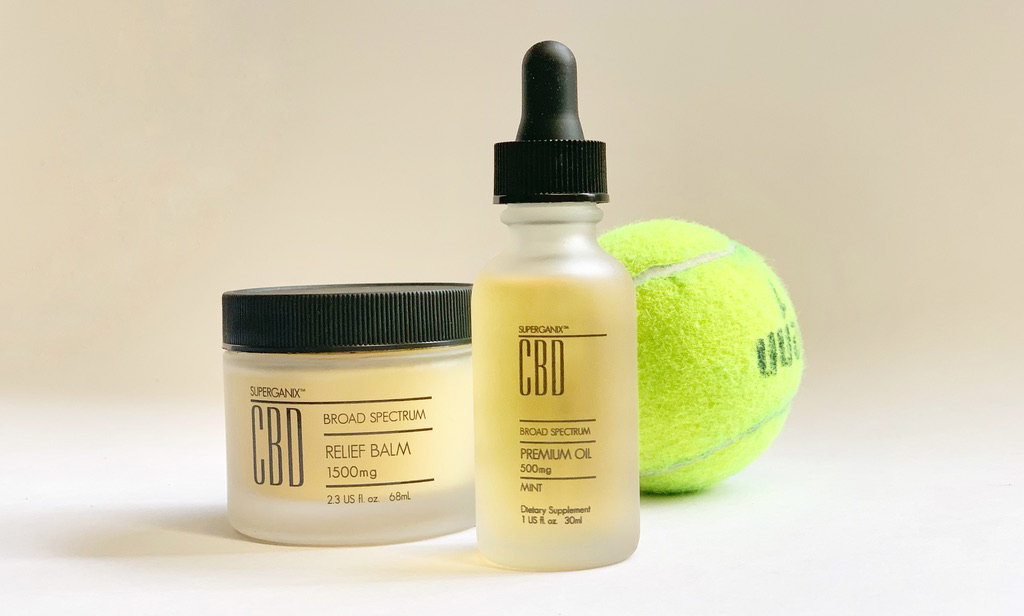
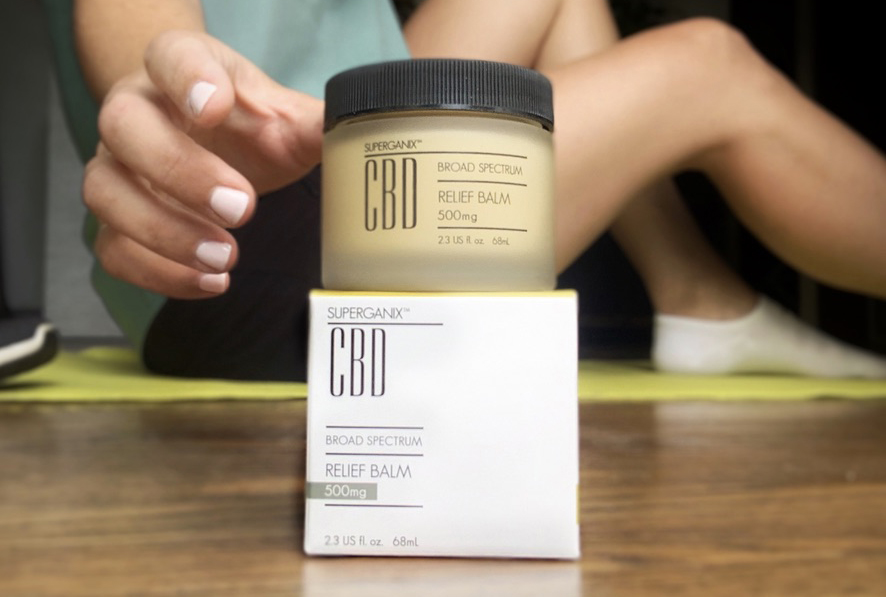
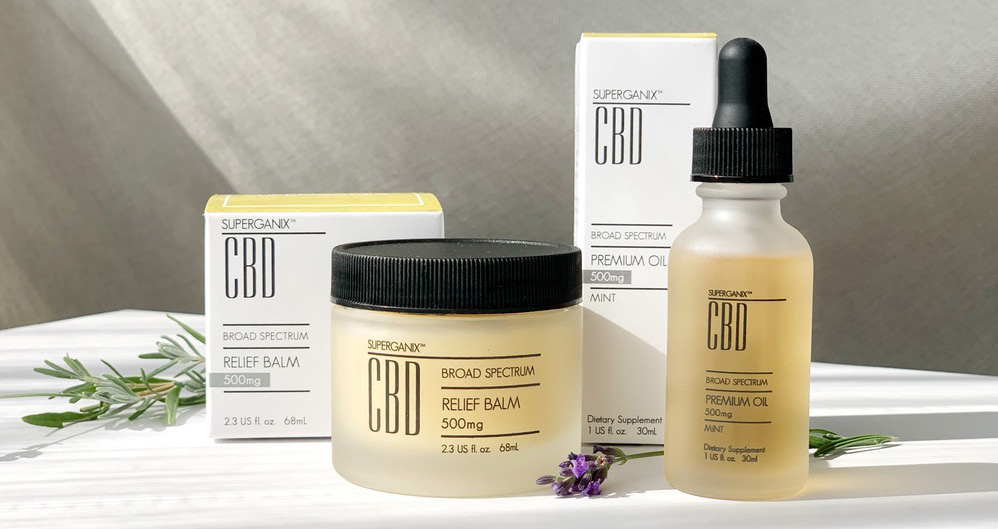
One of the highlights of the event was our flagship Superganix CBD Relief Balm. This all-natural product, formulated with premium hemp-derived CBD, is designed to offer quick and effective relief from muscle soreness, joint pain, and inflammation. Infused with 11 powerful botanicals, the balm was a crowd favorite, drawing attention for its fast-acting benefits and natural healing properties. And it smells and is great for the respiratory. Attendees at Run the Rocks were excited to try it, and it was very well received. Additionally, we gave out over 1000 custom designed koozies that are labeled as the “Red Rock Special” due to be a 24oz can koozie. If you weren’t lucky enough to get one at this event, follow our Instagram account and come and get a free koozie at our Golden shop location: 1111 Washington Ave, Golden, CO 80401.
A New Era at Red Rocks Amphitheatre
Being the first hemp company to sell at Red Rocks in Morrison, Colorado is not only a proud moment for Superganix CBD but also a significant leap forward for the CBD industry as a whole. This venue, known for its stunning scenery and world-class performances, provided the perfect platform to introduce our high-quality hemp products to a broader audience. The opportunity to showcase Superganix CBD at such an iconic location solidifies our position as an innovator in the running and wellness space.
Moving Forward
As Superganix CBD continues to expand, we’re proud to lead the way in integrating hemp products into everyday wellness routines. Our breakthrough achievement at Red Rocks Amphitheatre and our successful support with the American Lung Association mark just the beginning of what’s to come. Stay tuned for more exciting developments as we continue to innovate and advocate for natural solutions to health and wellness. Whether you’re seeking relief from daily aches or looking to enhance your overall well-being, Superganix CBD is committed to providing the highest-quality hemp products on the market. Check out our Google Reviews and what we support. Cheers!
What to learn more about hemp and CBD? Check out Superganix’s blog for more amazing articles.
The regulation of hemp-derived cannabinoids, particularly CBD and THC, has been a contentious issue across the United States, with California at the forefront of this complex debate. California’s decision to impose stricter regulations on these compounds reflects broader concerns about public health, safety, and the economic implications of the burgeoning hemp industry. Understanding the specifics of these regulations and their impact on the state’s economy and public health is crucial for stakeholders ranging from consumers to producers.
Understanding Hemp CBD and THC Regulations
Hemp CBD and THC are both derived from the Cannabis sativa plant, but they possess distinct legal and psychoactive properties. CBD, or cannabidiol, is non-psychoactive and is often marketed for its potential therapeutic benefits, such as pain relief and anti-inflammatory properties. THC, or tetrahydrocannabinol, on the other hand, is the psychoactive compound responsible for the “high” associated with marijuana use. Within California, the regulatory framework is designed to distinguish between these compounds, ensuring that products meet specific safety standards and do not exceed legal THC limits.
California’s regulatory environment for hemp-derived products is shaped by both state and federal laws. The 2018 Farm Bill federally legalized hemp with less than 0.3% THC, but it left significant regulatory leeway to the states. In California, the Department of Public Health (CDPH) is tasked with overseeing hemp CBD products, ensuring compliance with safety standards, and preventing the inclusion of unregulated THC in consumer goods. This involves rigorous testing procedures and labeling requirements that aim to protect consumers from potentially harmful products while also maintaining market integrity.
The state’s approach to regulating hemp and its derivatives reflects ongoing concerns about the safety and reliability of CBD and THC products. One major issue is the potential for THC contamination in CBD products, as well as the unsubstantiated health claims often associated with these products. By enforcing stringent regulations, California aims to mitigate these risks, ensuring that consumers have access to safe and accurately labeled products. This regulatory oversight also helps to legitimize the industry by encouraging responsible production practices and fostering consumer trust.
Impact of California’s Ban on Hemp Products
The ban on certain hemp-derived products in California has significant implications for both producers and consumers. For manufacturers, the regulatory environment creates challenges in terms of product formulation and market access. Companies must navigate complex compliance requirements, often incurring additional costs associated with testing and certification. While this can be a barrier for smaller businesses, it ultimately encourages high-quality production practices and innovation within the industry.
For consumers, California’s ban on specific hemp products aims to enhance safety and transparency in the market. By enforcing comprehensive labeling and testing requirements, the state ensures that consumers are informed about the content and quality of the products they purchase. This is especially important given the potential health risks associated with unregulated products, which may contain harmful contaminants or misleading levels of THC. The ban thus serves to protect consumers while promoting informed decisions in the marketplace.
The impact of these regulations extends to the broader economic landscape of California’s hemp industry. While some stakeholders view the regulations as restrictive, others argue that they are essential for establishing a sustainable and reputable market. By prioritizing safety and compliance, California sets a standard that could influence national policies and shape the future of the hemp industry across the United States. The state’s approach not only addresses immediate public health concerns but also lays the groundwork for long-term industry growth and stability.
California’s decision to impose strict regulations on hemp CBD and THC products underscores the state’s commitment to public health, safety, and market integrity. By navigating the complex landscape of hemp regulation, California seeks to protect consumers, legitimize the industry, and encourage responsible production practices. While these regulations pose challenges for producers and consumers alike, they ultimately aim to create a safe and transparent marketplace that could serve as a model for other states. As the hemp industry continues to evolve, California’s regulatory framework will play a crucial role in shaping the future of hemp-derived products nationwide.
A big hang-up people may have with CBD is confusion over whether or not it is legal. This confusion stems from the fact that CBD is inherently connected to marijuana. While CBD also comes from the cannabis plant, which also produces marijuana, CBD is non-psychoactive and is legal to use.
While that’s certainly a good step in the right direction and can ease your mind a bit, there’s another lingering question regarding CBD: can you fail a drug test due to CBD?
The answer is: it can be a little complicated, but the solve to get a “no” answer is zero THC CBD. As the name suggests, zero THC CBD is CBD that has had all traces of THC removed. Consuming zero THC CBD gives you all the amazing anti-inflammatory benefits of CBD without the drug-test-fail risks of THC. This zero THC feature is found in both broad spectrum CBD products as well as CBD isolate products.
Many companies still do drug test their employees, and even if marijuana (see: THC) is legalized in your state, it may not be okay with your employer. It’s better to understand your employer’s drug testing requirements first, then use the information in this post to learn more about CBD and THC, and make the decision that will work best for you.
What Are CBD & THC?
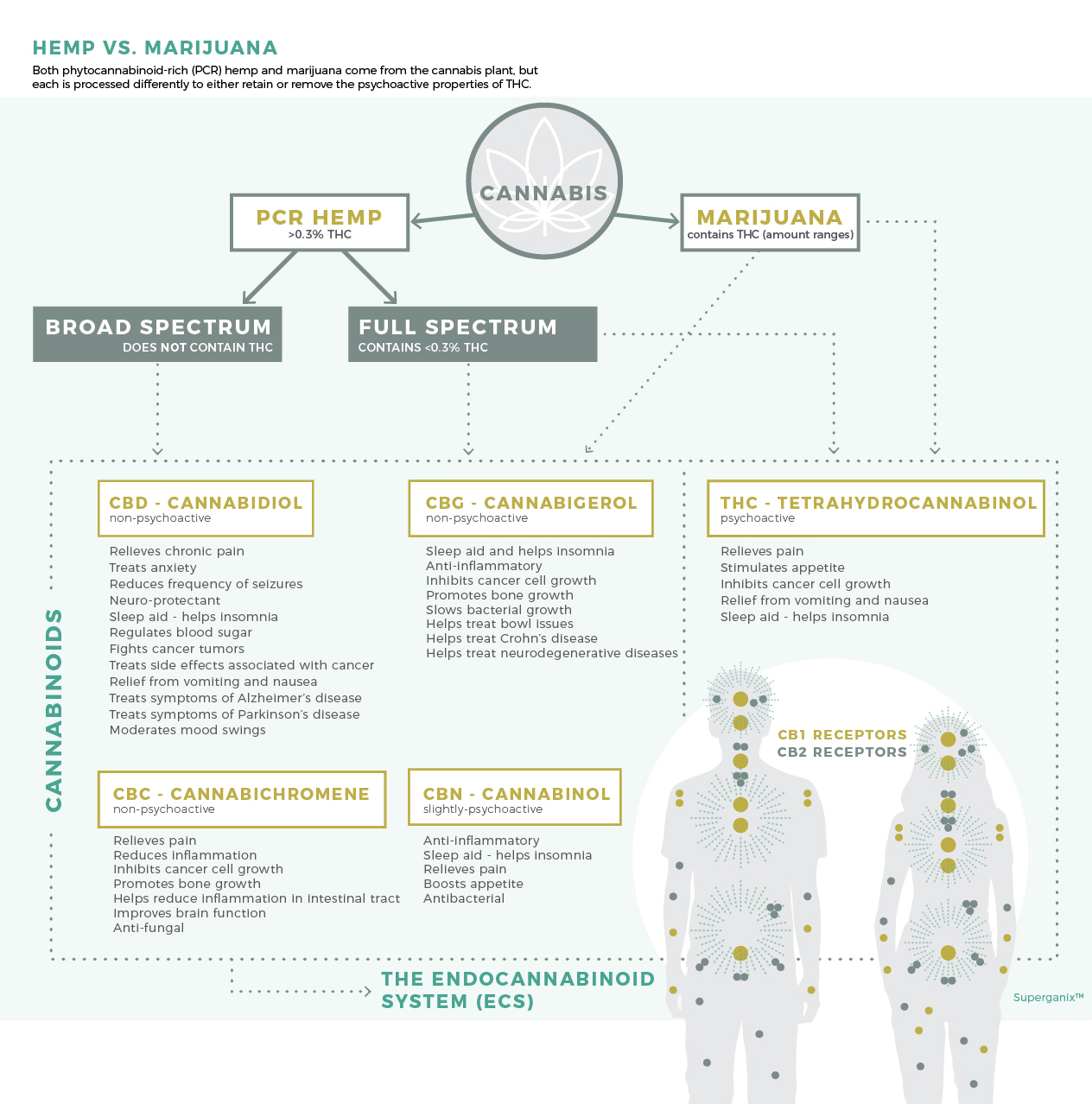
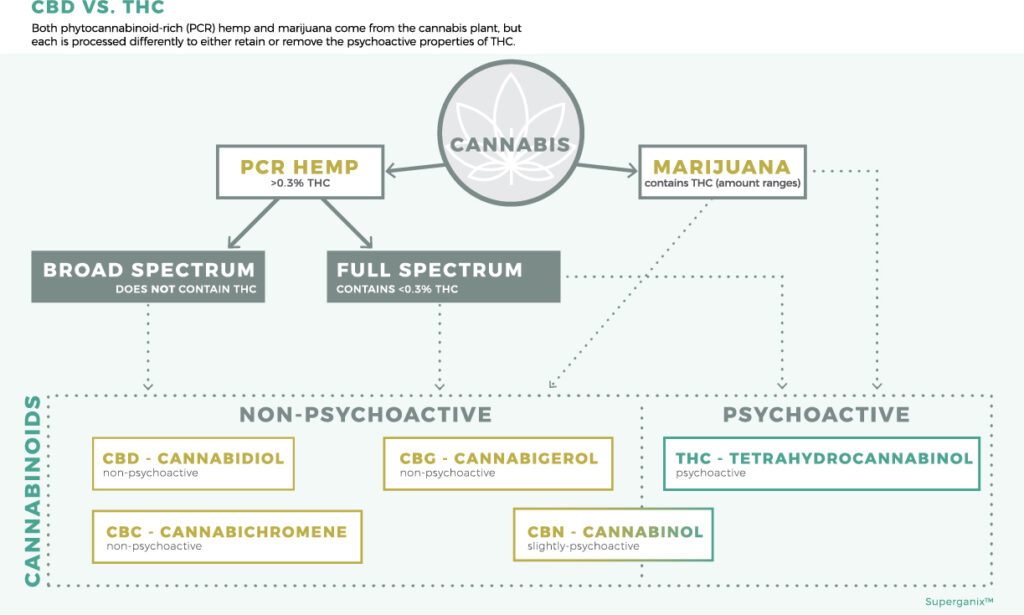
Both Phytocannabinoid Rich (PCR) hemp and marijuana are derived from the cannabis plant, but each is processed differently to either retain or remove the psychoactive properties of THC. CBD and THC are two of the most prominent cannabinoids that come from the cannabis plant. CBD is found in both PCR hemp and marijuana varieties of the cannabis plant, while THC is primarily found in marijuana.
The main difference between THC and CBD is that THC is psychoactive, meaning it will get you high. CBD, on the other hand, is non-psychoactive, so you can consume all the CBD you’d like and never get high.
Most of the CBD oils out on the market come from the PCR hemp, which means that they contain less than 0.3% THC. There might be trace amounts of THC (less than 0.3%) in some CBD products, but it won’t be enough to get you high. Think of it like non-alcoholic beer — there could be a tiny bit of alcohol in O’Doul’s, but you won’t get drunk.
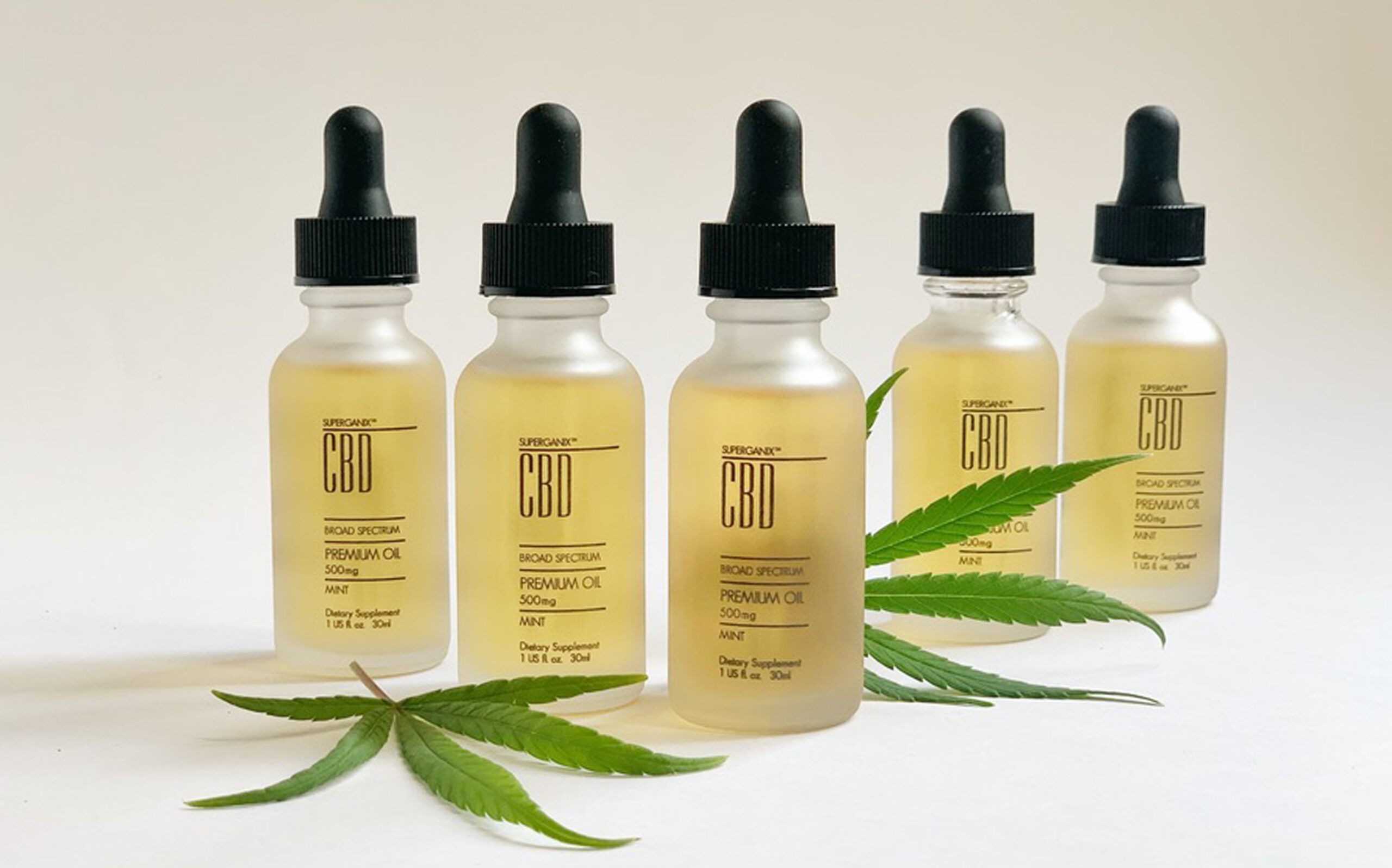
CBD oil products come in three forms: full spectrum, broad spectrum, and isolate.
Full Spectrum CBD
Full spectrum CBD, also called “whole plant” products, consist of all the elements of the cannabis plant. In addition to CBD, they contain flavonoids, natural fatty acids found in hemp, terpenes, and other cannabinoids such as CBG, CBN, and CBC. The big differentiator with full spectrum CBD products are that they also contain trace amounts of THC.
One thing to note here as well is that full spectrum oils tend to be slightly more effective due to the “entourage effect.” The entourage effect refers to how CBD works synergistically with the other cannabinoids, terpenes, and compounds found in the hemp plant, such as THC, to enhance the beneficial effects of the cannabinoids. Essentially, THC supports CBD to help it achieve its full potential.
It’s important to always read the label of your CBD products to see which type you are getting and to know whether or not it contains any THC.
Broad Spectrum CBD
Broad spectrum CBD contains all of the beneficial compounds found in PCR hemp (like other cannabinoids, terpenes, flavonoids, and other favorable components), but does not contain any THC. In a nutshell, it’s full spectrum without the THC.
It has been a popular choice for users that are concerned about THC in their system, regardless of how much or the local legality. Broad spectrum products offer a wonderful solution for people who want all the anti-inflammatory benefits without the whisper of THC on their shoulder.
CBD Isolate
CBD isolate is pure, raw CBD that’s synthesized in a lab. It contains no additional compounds (other cannabinoids, terpenes, flavonoids, etc.) other than CBD. Just CBD.
Are CBD Products Without THC Effective?
Absolutely, yes. The dosage may vary depending on the individual needs, but yes, broad spectrum products are peoples first choice when they want to steer clear of any THC. While full spectrum CBD products are generally considered the most effective because of the entourage effect, the level of THC will likely rule these products out for those who are required to do drug testing at work.
CBD isolate and broad spectrum CBD are also excellent options with different levels of efficacy depending on user. CBD isolate products may be the least impactful of the three, since they don’t contain the other beneficial cannabinoids, terpenes, and compounds from the hemp plant. Broad spectrum, as mentioned, has all of the powerful compounds and advantages of PCR hemp without the THC and is the preferred choice for many people.
CBD Products With No THC
Here’s how to tell if a product contains THC: read the label!
This means only purchase products from a well-known, trusted CBD brand that conducts third-party lab testing on its products. Don’t purchase CBD products from the farmer’s market or from a brand that does not mention lab testing to certify its levels of THC. If the product has not been lab-tested, you really won’t know how much CBD or THC the product contains.
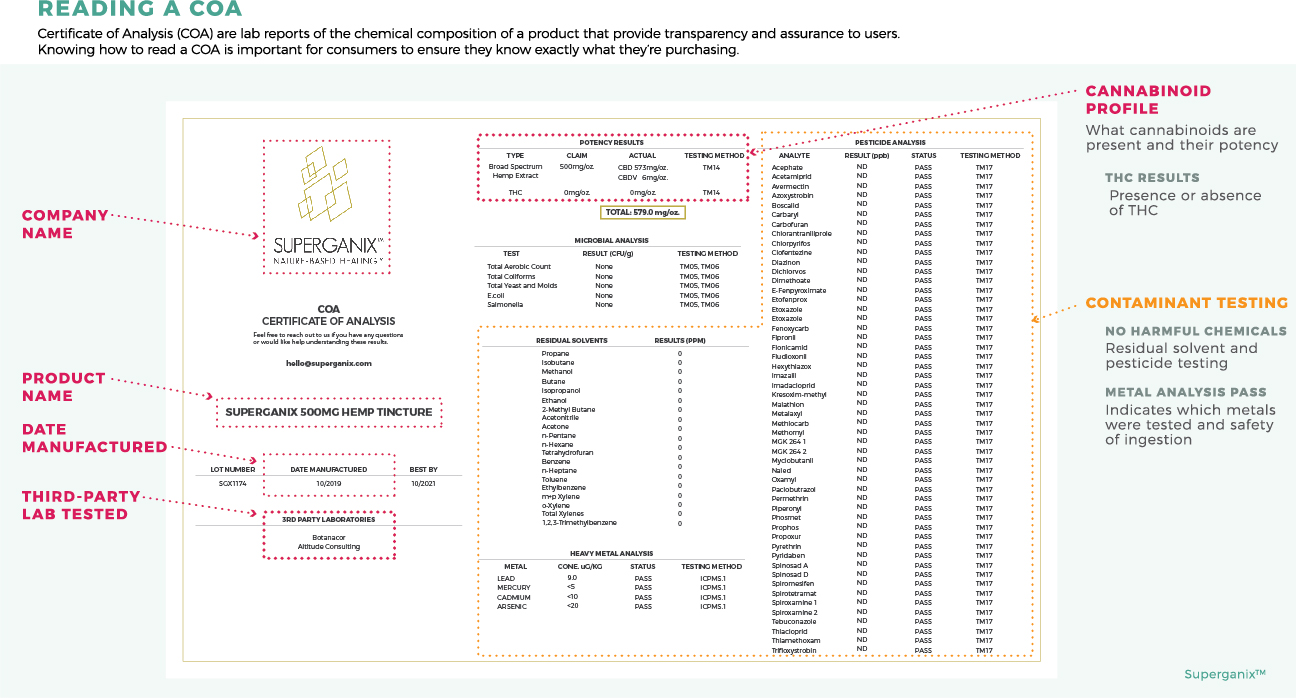
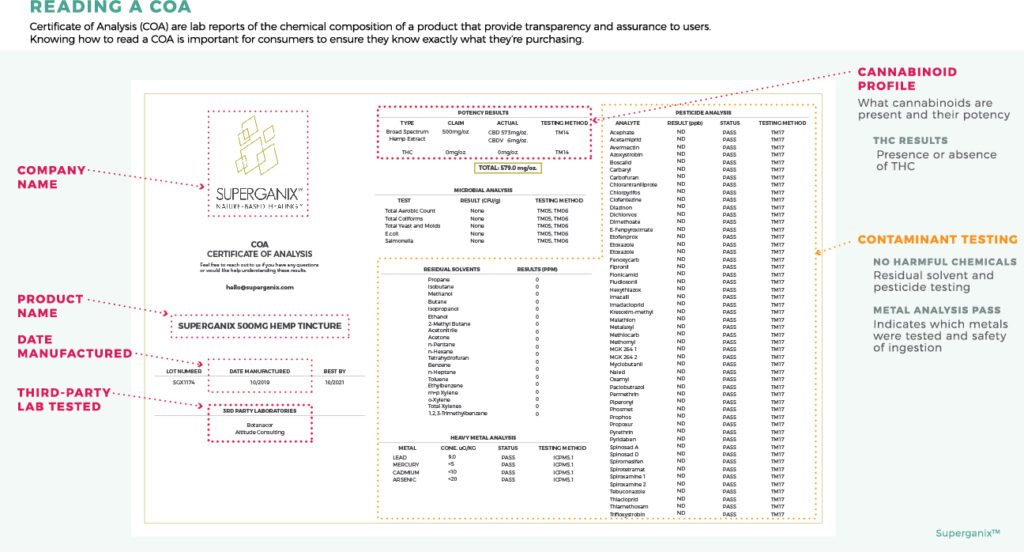
And with regard to lab testing, the only way to really prove that a product has been tested is through a Certificate of Analysis (COA). Reading a COA can be complicated, but luckily you just need to know the key points you’re looking for in it. Here are some bullet points to follow:
For the formal information, make sure:
it was prepared for the company selling the product
the name of the product matches what’s on the COA
the manufacture date is recent
the Third-Party Lab that conducted the test is a different name than the company selling the product, ensuring that it was third-party tested
In the potency section, look for:
the cannabinoid profile – how much CBD is actually in the product
which cannabinoids it contains and that it’s the ones you want
THC, make sure it is under 0.3% or at 0%
For the contaminant testing. make sure:
there are no harmful chemicals via the residual solvents and pesticides results
it was tested for metals and passes for safety of ingestion
CBD Isolate vs. Broad Spectrum CBD vs. Full Spectrum CBD – Which Is Best?
If you’re trying to avoid THC, as mentioned above, you’ll want to look for products that are either CBD isolate or broad spectrum CBD. These CBD products will be free of all trace amounts of THC and therefore will not produce a positive THC drug test result.
Broad spectrum 0% THC CBD oil products will offer the best option for those who want to take full advantage of all of the other goodness the hemp plant has to offer with zero THC. CBD isolate can also be a good option for those who prefer products free of THC with the benefits of CBD, but they won’t have any other supporting cannabinoids than CBD to offer. Since full spectrum CBD products contain THC, even in small amounts, it’s best to stay away if you’re going to be drug tested just to be on the safe side.
Side note: It’s also generally considered best to avoid CBD products if you’re pregnant. Until further research is completed to confirm or deny, sorry, moms to be, hold out a little longer!
Many people have implemented CBD supplements into their daily health regimen, but apprehension over company drug testing or beginning a new job may make you anxious to do so as well.
First. you need to understand the type of drug test you are required to take. Some very uncommon drug tests may search for all cannabinoids, meaning you would most likely test positive for CBD if you’ve been taking it. However, most tests are focused on THC and other substances. Once you have better knowledge on what is being tested, you can make your own decision on beginning or continuing the addition of CBD to your personal health routine.
The U.S. Department of Health and Human Services has set a limit of 50/mg/ml of THC to cause a failed drug test. For most people, it’s not worth having even traces of THC in their system, no matter how low, so if you’re worried about failing a drug test due to THC, broad spectrum products are your best bet.
If the test is solely for THC and other substances and you’re taking a zero THC CBD products, meaning a broad spectrum CBD or CBD isolate, then rest assured, you will not test positive for THC. To reiterate, just CBD in your system should not cause you to fail a drug test. If you do happen to fail, it will be due to THC or another non-permitted substance in your system.
Summary
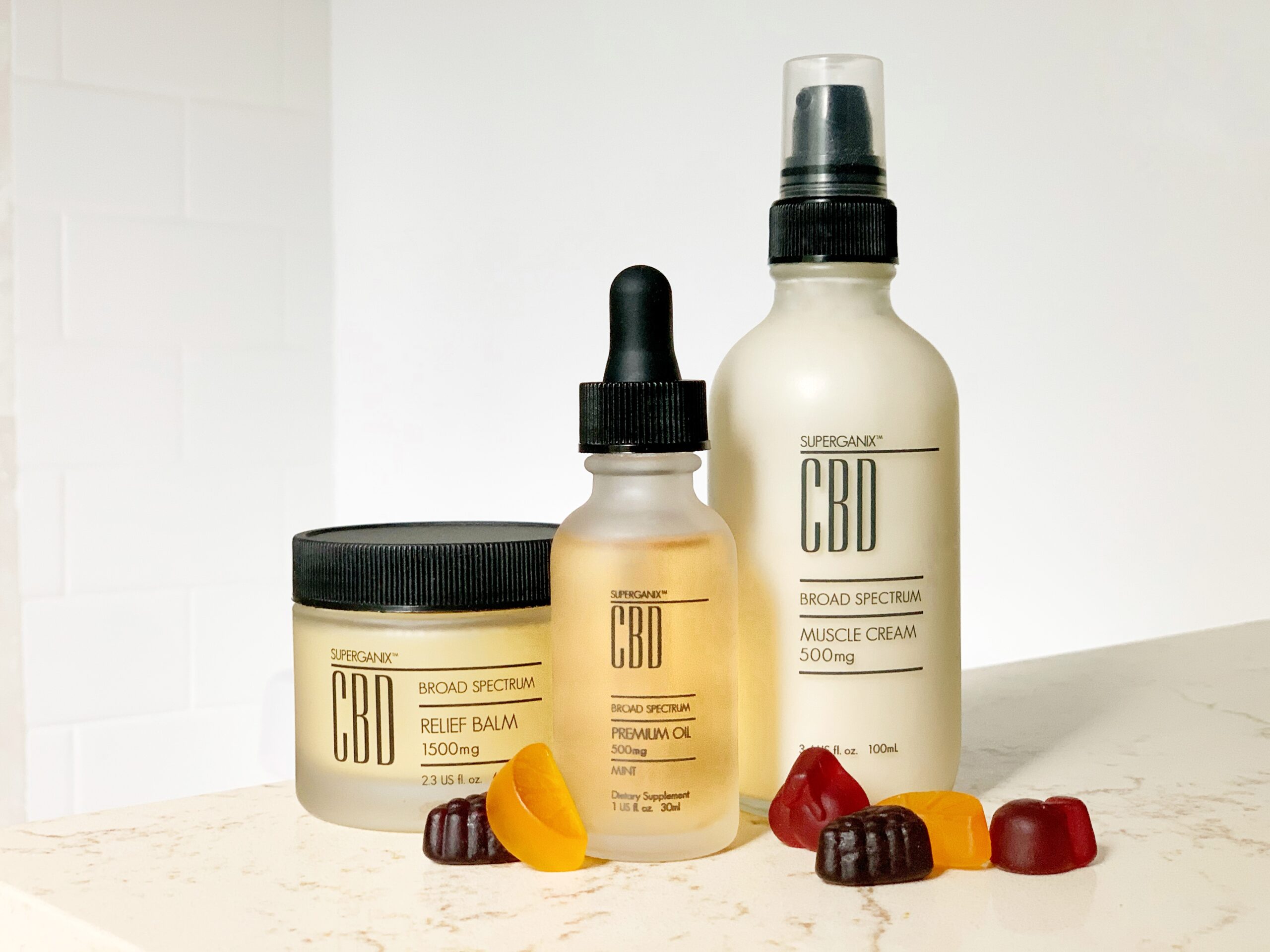
If you’re concerned about THC in your system, your safest course of action is to use CBD products that contain zero THC. Superganix™ products are third-party lab tested and refined through THC remediation. Our broad spectrum oils, creams, and balms are 100% Organic, made in the USA, and 0% THC CBD.
With all the popularity of CBD and its many uses, people are becoming more interested in the whole process hemp goes through to become a health and wellness product.
As laws change in favor of cannabis and natural remedies become more readily available, the world is again turning to botanicals to help solve its growing problems.
What is Pure Hemp Extract?
Before we dig into the seeds and stalks of hemp, you must first know what pure hemp extract is, and what makes the richest and purest oils.
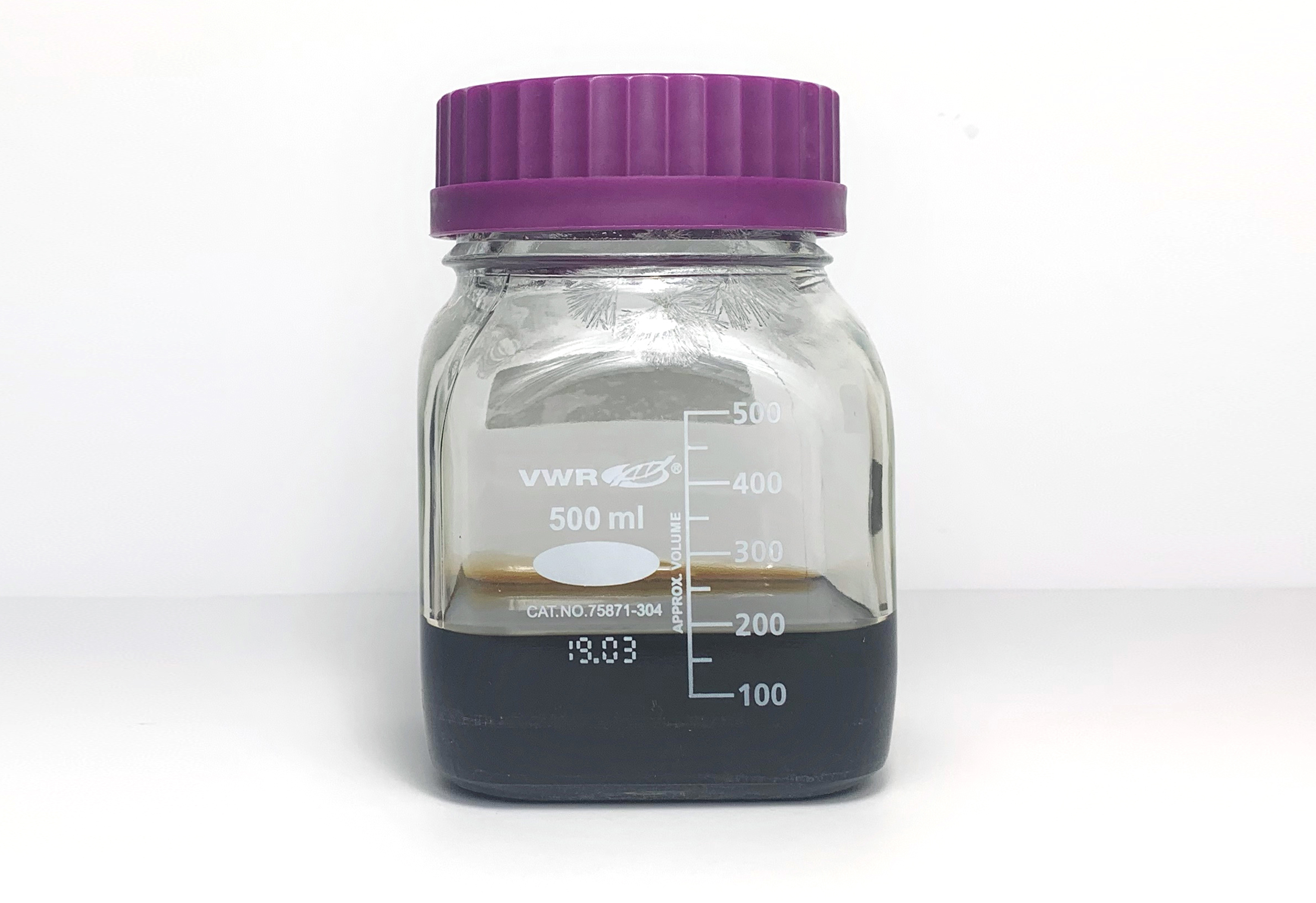
It all starts with the dried flowers, or “buds” of the hemp plant. This is where the highest concentration of cannabinoids and terpenes are produced. Pure hemp extract is an “essential oil” that’s produced during an extraction process. The extraction process separates the different chemical compounds from the hemp plant matter. What remains is a concentrated form of cannabinoids, terpenes, and other beneficial botanical compounds. Premium hemp extracts are rich in cannabinoids such as CBD, CBG, CBN, and CBC. Once the rich hemp extract passes lab testing, it will then be used for several different purposes. One of the most popular being wellness supplements like hemp oil drops, hemp-infused balm, and pure hemp creams.
High-quality hemp extract is typically a high-CBD (Cannabidiol), low-THC (Tetrahydrocannabinol) potency, with no intoxicating or psychoactive side effects. Since both CBD and THC are found in the hemp plant, be sure to read the product label and verify the “Certificate of Analysis” (COA) for potency results.
Here is a quick reference to help you better understand the difference between the two:
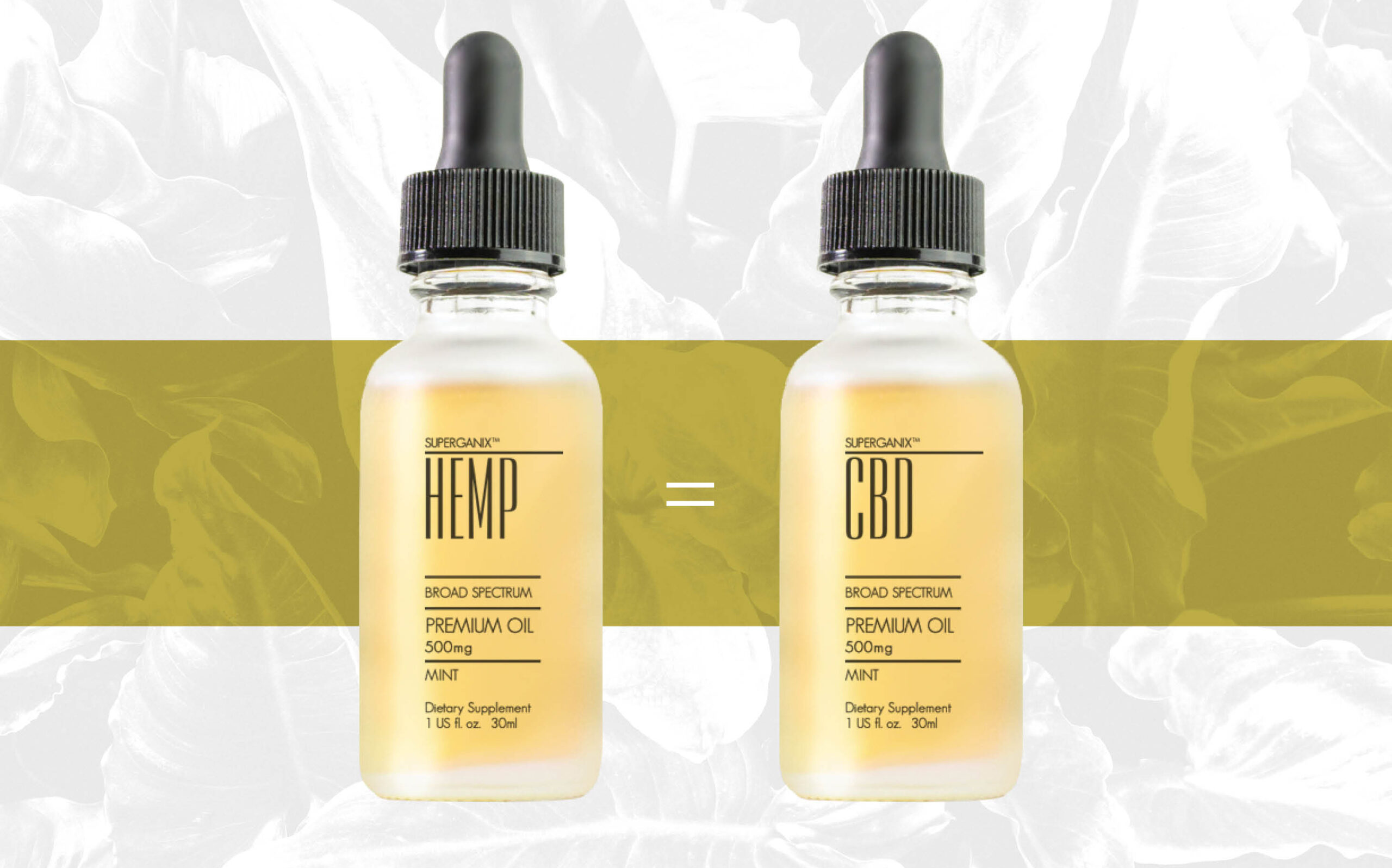
CBD = Non-psychoactive, can reduce anxiety and be a powerful anti-inflammatory
THC = Psychoactive, causes the “high” feeling, increases appetite, aids in sleep
A Brief History of Hemp
Hemp is an ancient plant and is one of the oldest cultivated crops in the world. Humans have continuously used it for around 10,000 years. Archaeologists have found traces of hemp as far back as 8,000 BCE in China and Taiwan. Since then, the fibers have been used for clothing, rope, and paper. The seeds are also a nutritious food item and the oils are found in premium supplements and skincare products all around the globe.
The Ancient Origins of Hemp:
8,000 BCE–900: Traces of hemp found by archaeologists worldwide used as medicines, food, rope, clothing, paper, and more
1535: King Henry VIII fined farmers who weren’t growing hemp
1549: Cannabis brought to South America
1616: Hemp comes to America through Jamestown, Virginia, and used to make ropes, sails, and clothing
The 1700s–1840: American farmers required by law to grow hemp; Abraham Lincoln and many homes use hemp seed oil in lamps
2018–Now: Restrictions have begun to lift and hemp farming has started to come back to the United States; an amendment to the Agricultural Improvement Act, known as the “Farm Bill,” removes the hemp plant and all of its parts/byproducts from the Controlled Substances Act
How Hemp is Grown, Harvested, Extracted, and Formulated
While hemp farming has many similarities to traditional ways, it also has several differences from other crops. Due to its use for health and wellness, it’s essential to understand the process before arriving into consumers hands. This reference guide will help you better understand and appreciate what the hemp plants undergo to create the high-quality pure hemp extract oil used in the best products on the market.
How Hemp is Grown
Growing hemp is a fairly easy process considering its “weed-like” tendencies. It can be grown indoors or outdoors, and typically likes a more acidic soil between 5.5 – 6.5 pH. Hemp also acts as a bioremediator and cleans harmful toxins out of the soil. And Naturally, it’s a pest-resistant plant that requires less water to harvest than other conventional crops.
Before planting any hemp seeds be sure the genetics contain less than >0.3% THC. per the 2018 Farm Bill.
This overview can help you understand the growing process:
The growing conditions need to be just right. Before starting, consider getting your soil tested to ensure it’s the right quality for optimal crop growth
Be sure to plant your seeds at least two weeks after the last frost in the spring
Sow the seeds at least five feet apart from one another and 2-3” inches deep in the soil. Gently roll the dirt back on top and water well.
Seeds need to be irrigated well, especially in the first two to four weeks while they are starting to grow
Hemp typically grows from seed to mature plant in 3–4 months and is harvested in the fall months
Be sure the plants have direct sunlight for at least 12 hours
Optimal temperature for cannabis plants is 78ºF.
How to Harvest Hemp
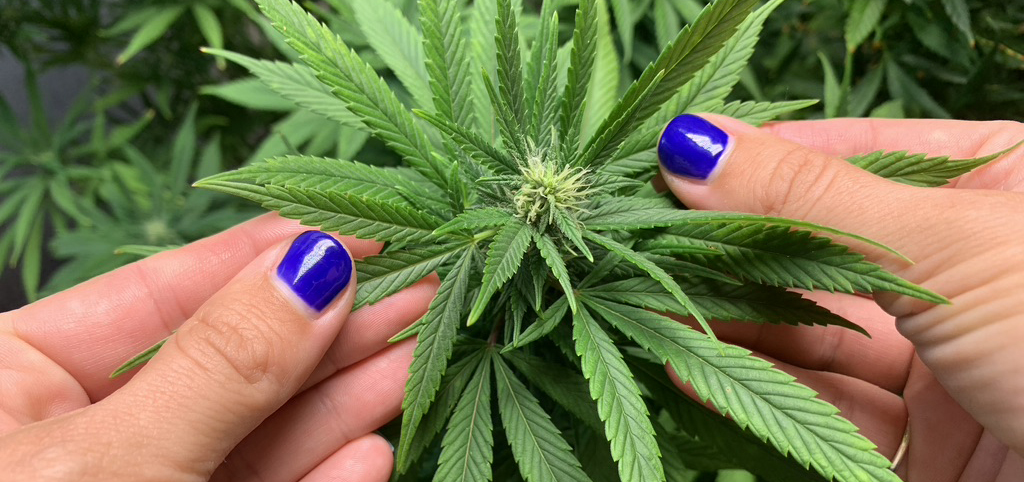
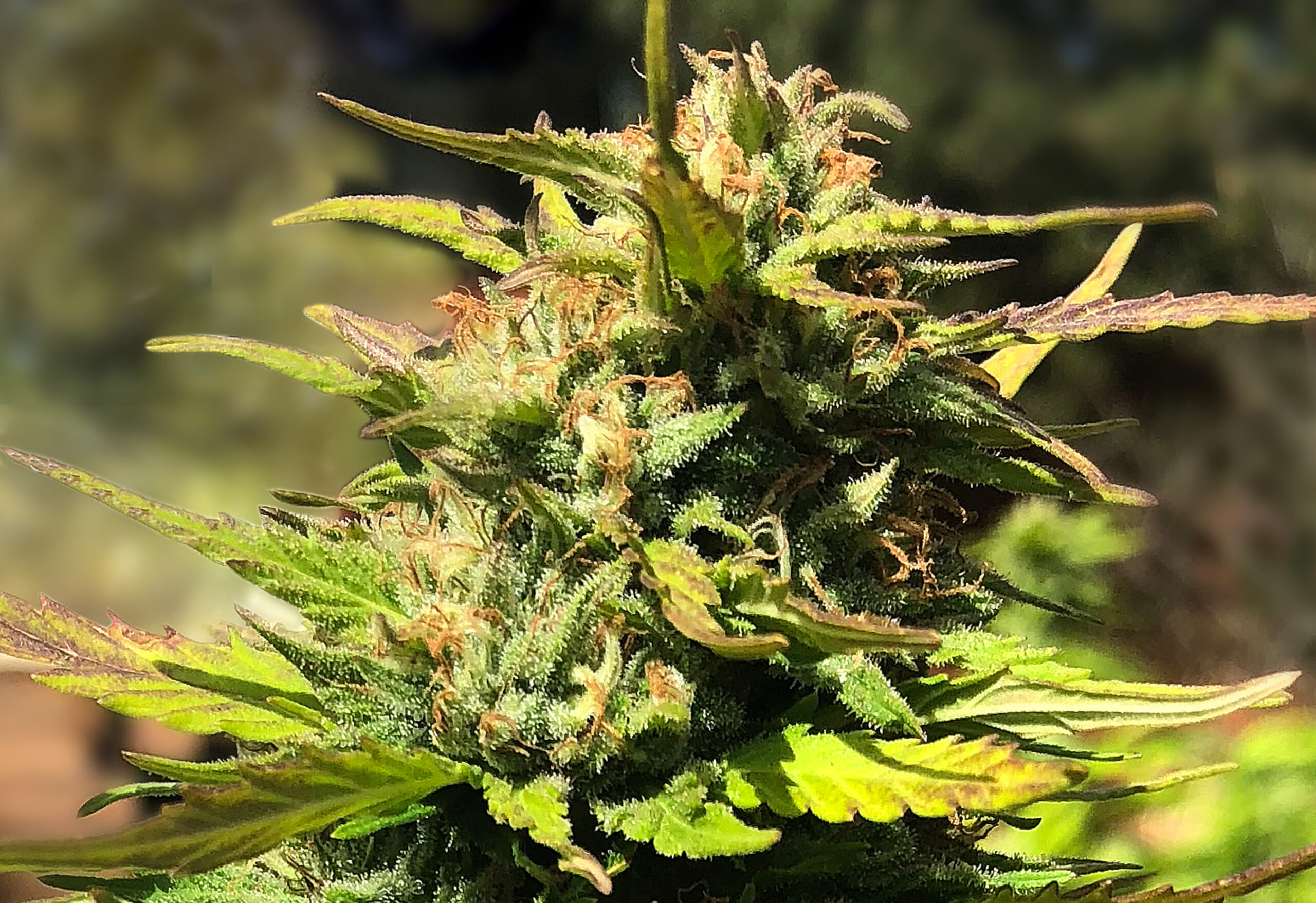
Hemp is an annual plant and harvest season arrives 3–4 months after planting. Though it can be sensitive to seasonal changes, the peak season to harvest is October in the USA. Hemp needs 12 hours of direct sunlight to reach optimal flower, or “bud,” production. The plant can be tall or short and resembles its cousin, the marijuana plant, from sight to its robust smell. It’s also harvested in a similar way to marijuana. Hemp flowers are rich in cannabinoids such as CBD, CBG, CBC, or CBN, and marijuana is rich in THC. The flowers or “buds” are separated and trimmed from the stalks, branches and leaves, and then dried for 6-10 days in a dark room. The room needs to be kept between 65º-75º degrees Fahrenheit for optimal drying. Humidity levels need to be around 45-55% as well. Once dried, the premium hemp flower is tumbled in a big dryer-like machine that removes and collects any loose leaves. Once the flowers are perfectly manicured they are moved into a glass container for 30-90 days to cure. A good curing process is important because it helps mature the aroma and flavor of the plant.
Hemp farming timeline:
Plant hemp seeds in the spring
Grow to maturity in 3-4 months
Cut the plant at the base where the stalk meets the ground
Separate the flowers from the stalks and leaves
Trim the flowers and remove any fan leaves
Hang upside down and dry for 6-10 days in a dark room with temperature between 65º-75º degrees Fahrenheit and humidity at 45-55%.
Once dried, tumble trim to remove and collect any additional loose leaves
Cure the flowers in a glass container in a dark room for 30-90 days. Open the container bi-weekly for 15 minutes to let air circulate
The Best Way to Extract Hemp Oil
One of the most efficient ways to produce pure hemp extract is through supercritical CO2 extraction. While it may sound extreme, this process is actually the most efficient and Eco-friendly method available. CO2 is also the safest, quickest, and purest way to extract the oil from hemp flowers. Today, most USDA organic products use supercritical CO2 extraction to guarantee consumers have the best hemp extract on the market.
Here’s a basic breakdown on the CO2 extraction process:
Dried hemp flowers are placed into a grinder and broken down to small pieces.
The broken down hemp flower is loaded into a extraction vessel.
CO2 gas infuses the plant matter (CO2 is the soluble medium that separates the plant compounds).
Technicians adjust the temperature, pressure, and time to extract certain cannabinoids.
Pure hemp extract oil is then deposited into a collection vessel and moved to the formulating phase.
How to Formulate Hemp Oil
“Hemp oil” refers to mixing pure hemp extract with any carrier oil. Some of the most popular carrier oils used today are MCT oil (fractionated coconut oil), grape seed oil, olive oil, and even hemp seed oil. And from a technical standpoint, hemp extract can mix with any fat-soluble nutrient
Fast formulation –
Mix very well and be sure to not leave any hemp extract mass
Separately heat the pure hemp extract oil and carrier oil to 145º degrees Fahrenheit.
Remove from heat and combine the two.
Cool down to room temperature then use where applicable.
Previous to today’s market, products formulated with hemp extract oil were somewhat limited, but these days, pure hemp extract can be combined with practically anything. When used in their native oil-based state, the formulas tend to be stable and safe to use. The best pure hemp extract products keep the oil in its most natural state for infused tinctures, balms, or creams.
The Benefits of Growing Hemp
Depending on the strain and quality of the hemp grown, there are several benefits to growing this crop. In addition to being a low-cost, high-yield farming option, here are a few other great reasons to grow hemp.
Hemp is:
More durable and cost-efficient fabric than cotton
Cheaper construction material alternative
A fantastic source of protein and offers other health benefits
Grown in diverse regions with little resources
Incredible for water conservation
Excellent business returns for farmers
High demand and yields even more profits in the coming years
A sustainable, low-cost fuel option (biodiesel)
Paper alternative that is more cost and environmentally efficient
Benefits to both nutritionally and economically
Hemp’s Global Market Statistics
The demand for hemp oil has grown immensely in the past few years, and it doesn’t look like it will slow down anytime soon. From 2019 to 2020, the global market rose almost 14% and is projected to grow by nearly $10 Billion by 2027!
Every part of the hemp plant is useful, and there are virtually endless opportunities to use hemp in everyday life. Because of this, it’s also a great investment opportunity. The rising popularity and demand for natural health and wellness opportunities have made hemp a smart sustainable choice.
For hemp oil specifically, the results are parallel. Current data, when compared historically, shows that hemp oil is on the rise across all industries. The leading cause of this rise is the awareness by people looking for natural, plant-based relief from a range of ailments. While there may be a growing amount of competition, the highest quality products will always shine through!
Where to Start
Pure hemp extract goes through a long process, from seed through growth, harvesting, extraction, and formulation. The end result is a powerful, potent product that has helped many people find relief and a better quality of life!
When it comes to a natural, premium resource, hemp checks all the boxes. As mentioned before, inn addition to health and wellness support, hemp is also useful as building materials, fabric, fuel, paper, and a nutritional boost. If you’ve never given hemp a try, maybe now is the time!
If you’d like to learn more about the power of hemp, check out the other insightful and informative articles on our blog! If you have any questions about hemp oil, other products, or anything else we can help with, please don’t hesitate to contact us!
The global hemp market is currently growing at a rate of 34% each year. It’s expected to continue that trajectory throughout the next five years as well. Though it’s a booming industry, many average consumers aren’t familiar with hemp and its many uses.
WHAT IS HEMP?
Hemp is a variety of the cannabis plant, but it’s separate and different from Marijuana. One way to think about them is like cousins – they’re related but have a different molecule makeup.
Hemp contains hundreds of cannabinoids, and sometimes may contain a trace amount of THC. Yet, the amount of THC in hemp is only very small amounts and can’t produce the psychoactive effect that’s well known in Marijuana.
One of the most popular hemp byproducts is CBD oil. Cannabidiol (CBD) is a cannabinoid found in hemp that has some reported health benefits without psychoactive side effects.
Aside from CBD, producers also use hemp for everything from food to cosmetics and even construction materials.
1. Hemp Byproducts Are All-Purpose
Some common uses for hemp that you may have seen are for clothing, paper, and CBD oil. Besides those three, hemp can also create a variety of sustainable multipurpose byproducts, ranging from building materials, to biofuel, cosmetics, and is even being considered for livestock feed.
Manufacturers can use hemp fibers to create sustainable clothing. Though out of the package it isn’t as soft as cotton, it’s more durable and environmentally friendly. Good news though, it softens significantly as you use and wash it. But even better, hemp requires significantly less land and water to produce than cotton.
Centuries ago, hemp was most commonly used to make paper. In fact, the first four drafts of the Declaration of Independence were written on hemp paper! If we were to move back toward using hemp for paper, it could help reduce deforestation and carbon emissions.
Hemp is also used in building materials. Commonly known as Hempcrete, hemp can be made into a building composite, similar to concrete. It’s made by wet-mixing hemp hurds ( woody fibers from the plant’s core) with water and a lime-based binder.
As research is being completed to find alternative sustainable and clean energy sources, recent studies have evaluated a non-edible hemp as a potential opportunity for biofuel as well.
2. Hemp Seeds are Packed With Nutrition
Another big use of hemp is for food. In recent years, you may have started noticing the growing popularity of hemp as a dairy substitute, as hemp milk or cheese.
Hemp makes an excellent source of food because it’s packed with protein and fiber. Just two tablespoons of hemp have about 6 grams of protein and 0.8 grams of fiber.
Hemp also contains omega-3 fatty acids, which are commonly found in fish. It can be harder to find vegetarian and vegan sources of omega-3s, which is why hemp could be a great supplement for people with plant-based diets.
3. Hemp Farming is Environmentally Friendly
The way hemp grows offers one of the most environmentally friendly processes for farmers. Hemp is resilient and grows quickly in small spaces, making it a great sustainable crop alternative.
Because of its resiliency, it can survive a variety of climates and types of soils. Hemp is also a phytoremediation plant that can help clean up even the most toxic types of soil.
Due to its fast growth and ability to “clean up” soil, farmers can harvest it quickly and use the same soil for other crops. Furthermore, hemp plants rarely need the help of pesticides, which is why it can be easy to find organic pure hemp oil.
4. Pure Hemp Extract Oil Has Skin Benefits
Phytocannabinoid-rich hemp oil may have a variety of skin benefits for its users, making it a great ingredient for skincare products.
Hemp has naturally moisturizing and soothing properties, making it appropriate for dry and aging skin. Though people with oily skin might shy away from anything with oil in the name, hemp oil can actually also help balance out the skin by keeping it properly hydrated. Thanks to its anti-inflammatory properties, hemp oil may also help relieve acne.
5. Hemp Has Always Been Used in the U.S.
Evidence shows that hemp was likely already in the U.S. before it was colonized. Since it was readily available, nearly every state grew hemp at one point. In the 1700s, many farmers were required to grow hemp as a staple crop for things like paper and rope.
Though cotton eventually replaced hemp for many of its uses, producers continued to experiment with hemp uses up until the 1960s and ‘70s when it was banned commercially.
6. Ingesting Terpene Rich Hemp Oil May Have Health Benefits
The main ingredient that’s sought after when ingesting hemp is CBD. Though scientists believe there needs to be more research, some initial studies and user feedback show promising results from using CBD.
Currently, studies show that CBD can reduce seizures in some forms of epilepsy and help reduce common anxiety, stress, insomnia, and pain.
7. Hemp Can Help Build Houses
As mentioned, while hemp helps promote environmentally friendly farming practices, it also offers a sustainable material for construction. Hemp has a naturally woody fiber that can be mixed with liquid to create a concrete-like substance that’s significantly light and durable. Unlike concrete, it doesn’t harbor toxins and has a lower carbon footprint since it requires less heat to make.
8. Hemp Was Key in World War II
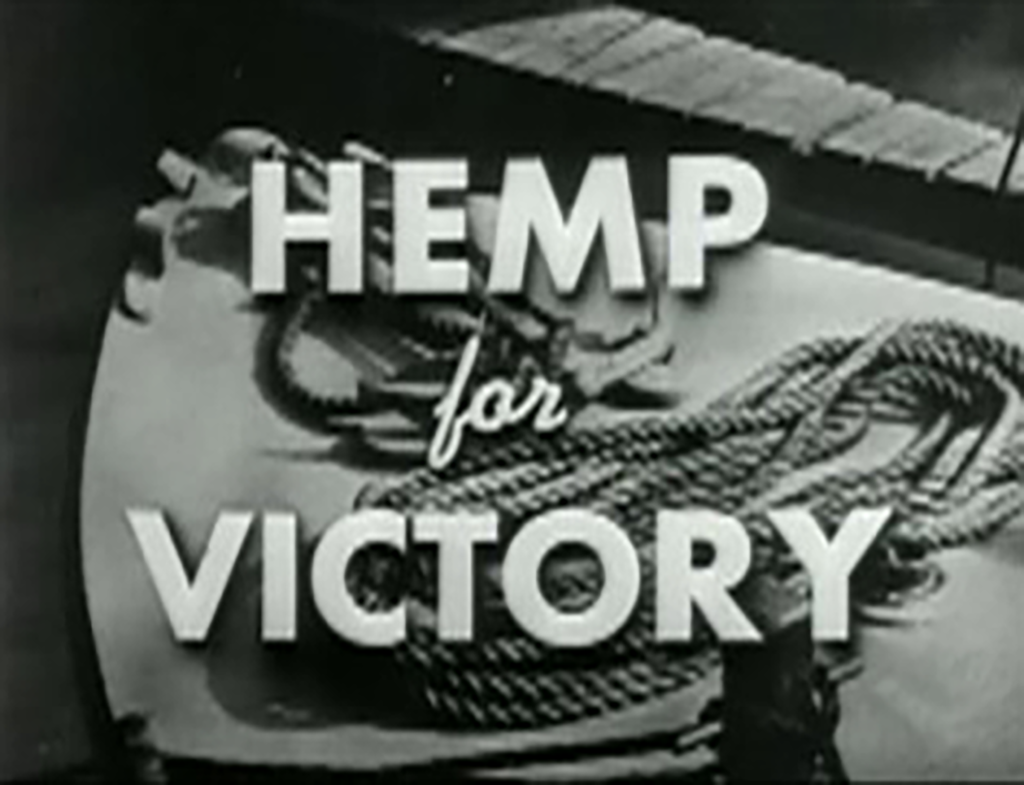
Another fun fact about hemp is that it helped play a role in defeating Germany in World War II. When Japan cut off America from sourcing Filipino hemp, the U.S. needed to grow the crop quickly to create wartime supplies like rope and parachutes.
The Hemp for Victory campaign called on a significant increase in hemp farming, and the American people responded quickly. American farmers helped produce 14,000 more acres of hemp in 1943 compared to 1942.
Without hemp’s ability to grow quickly, many American soldiers would have been short on vital equipment during the war.
9. Hemp is Relatively Easy to Grow
Compared to many other crops, hemp is relatively easy to grow. Many farmers compare it to a weed since it’s so resilient and hearty.
It doesn’t require extensive cultivation since it can handle different types of soil, and it also doesn’t take up a lot of space. Farmers can grow hemp in dense areas while saving space for other crops like soybeans and sunflowers.
It’s especially easy to grow organic hemp, which is essential for the growing industry of topical and ingestible products. It’s a naturally pest-resistant crop, so it doesn’t need much chemical treatment with pesticides or fungicides.
10. Broad Spectrum Hemp Oil May Help Relieve Pain
Along with health benefits through ingestion, broad-spectrum hemp oil can also provide topical pain relief.
Though CBD isn’t a substitute for medical care, some evidence shows that topical balms and creams can help reduce inflammation. When rubbed over a painful joint, the formula can reduce swelling and pain.
You can also experience pain relief through ingesting CBD, either through a tincture or other products like gummies and beverages.
While you’re researching for hemp products, be mindful of the different terminology and be sure to read the label. Keep in mind that Marijuana is psychoactive and hemp isn’t, but they’re both different forms of the cannabis plant.
CBD (Cannabidiol) is a cannabinoid that’s produced either on hemp or marijuana. Hemp plants contain trace amounts of THC (under 0.3%), while marijuana can have anywhere from 1-30% THC.
Also remember, if you’re purchasing hemp seeds or hemp seed oil, they’ll contain 0% THC and 0% CBD. It’s a total different product all together. Be sure to read the label and review the certificate of analysis.
12. Hemp Farming Was Made Legal in 2018
Until 2018, hemp was illegal for commercial farming thanks to the Controlled Substances Act. The 2018 Farm Bill legalized hemp farming and distribution throughout the country.
Before the 2018 Farm Bill, farmers still produced hemp with heavy restrictions. The government restricted most hemp farming for industrial use and research.
After the 2018 Farm Bill passed, hemp farming expanded significantly. Since the bill also allows the distribution of hemp-derived products, it made CBD federally legal as well.
13. The Industrial Hemp Market is Worth Billions
The industrial hemp market was worth $4.6 billion in 2019, and it’s projected to grow to $26.6 billion by 2025.
Thanks to the 2018 Farm Bill, the industry has been booming, with CBD oil making up one of the fastest-growing segments.
With so much growth, we can expect even more CBD to hit the market. More products mean there’s also a bigger push for research that can help validate many of the health benefits that people experience through using CBD.
Using Facts About Hemp to Help Guide Your Purchases
Understanding facts about hemp can keep you informed when you’re ready to make a purchase. At Superganix, we offer a variety of hemp CBD products that can support your health goals, whether they’re pain reduction, anxiety relief, sleep-cycle improvement, etc.
Shop our store to get started with all-natural, simple healing.
The Cannabis plant genus is Mother Nature’s most robust source of an estimated 120+ phytocannabinoids, notably Δ9-tetrahydrocannabinol (THC) and cannabidiol (CBD).1 While it has been known for quite some time that marijuana (“weed”) has therapeutic properties, research over the past decade is uncovering the benefits of hemp extract, specifically phytocannabinoid-rich (PCR) hemp oil.
However, the lingo used in the hemp space is quite confusing, leading consumers into a headspin when trying to distinguish CBD oil vs PCR hemp oil. The good news is you came to the right place as this article will demystify these seemingly intertwined hemp-based products.
What is PCR Hemp Oil?
Phytocannabinoid-rich (PCR) hemp oil is specialized CBD oil that contains a full spectrum of phytocannabinoids found in hemp. In contrast to pure CBD isolate oil, PCR hemp oil gives you the complete ensemble of cannabinoids found naturally in hemp plants.
Why does this matter, you ask?
Recent scientific research suggests that consuming the entire spectrum of phytocannabinoids in hemp has greater beneficial effects compared to pure CBD.2
As an example, a study comparing the effects of five different Cannabis extracts with equal CBD concentrations and varying profiles of non-CBD cannabinoids on seizures in mice found that all of the extracts significantly reduced seizure frequency in mice.3
But there’s a kicker…
The magnitude of anti-seizure effects was greatest in the extracts that contained the full spectrum of phytocannabinoids, whereas pure CBD was comparatively less potent.
The salient takeaway from this is that the “minor” phytocannabinoids are more beneficial than previously thought. In fact, the “major” phytocannabinoids in hemp are only able to realize their full potential in the presence of the minor phytocannabinoids.
Researchers have called this the “entourage effect.”
PCR hemp oil vs CBD oil – What’s the difference?
Let’s provide some clarity to the semantics of PCR hemp oil vs CBD oil. It’s likely you’ve come across terminology like “full-spectrum CBD” or “broad-spectrum CBD,” but what’s the difference between them?
First, it’s important to recognize that hemp is not the same as marijuana. While they both come from the same plant (Cannabis), hemp is cultivated specifically to have a very low concentration of THC – less than 0.3% by law – and a higher concentration of nonpsychoactive CBD (as well as other phytocannabinoids).
As such, full-spectrum CBD oil is essentially the same as PCR hemp oil since they come from the same source plant; you can assume these terms are interchangeable.
When you buy full-spectrum CBD/PCR hemp oil, you’re not only getting all the beneficial phytocannabinoids in hemp, but also the array of more than 200 different antimicrobial and anti-inflammatory terpenes that give the plant its patent aroma.4 Hence, PCR hemp oil is as comprehensive as CBD gets.
Broad-spectrum CBD oil is similar to PCR hemp oil, but without THC. This comes at the cost of extra processing of the plant materials, which may also remove other phytocannabinoids. Thus, broad-spectrum hemp/CBD oil is not synonymous with PCR hemp oil.
Benefits of PCR hemp oil vs isolate-infused CBD oils
The endocannabinoid system (ECS) is an eponym that gets its name from the Cannabis plant genus. Research behind the ECS is budding as of late, with hundreds of studies being published in recent years. The findings continually demonstrate the promising benefits of PCR hemp oil as a modulator of the ECS.
Since the ECS is the quintessential “integrator” of all the body’s systems, it makes sense that the benefits of PCR hemp oil are thought to be quite extensive, such as:
In general, the multifunctional medicinal properties of PCR hemp oil are attributed to its capacity to restore “balance” (read: homeostasis) in the body.
However, many consumers presume that the benefits of pure CBD oil are superior to those of PCR hemp oil, which isn’t necessarily true. In fact, research contradicts that notion as the many phytocannabinoids in hemp extract work synergistically to bolster the ECS.10
This “entourage effect” of phytocannabinoids is not possible with pure isolate-infused CBD oil.
Does PCR hemp oil get you high?
The answer is “no!”
While the general population is slowly starting to accept PCR hemp oil as a practical and effective form of alternative medicine, there is still an unshakeable stigma attached to anything related to Cannabis.
So, why is that?
Well, it’s likely due to the recreational use of marijuana over the years, and subsequent restrictions imposed on it. Hence, marijuana tends to be a polarizing topic across the United States, with many people believing it’s dangerous because it gets you high. While that is true,
THC is ultimately the phytocannabinoid responsible for sensation of feeling “high” after using traditional marijuana.
PCR hemp oil, on the contrary, is non-intoxicating and contains a very low concentration of THC, meaning it won’t get you high. The unique composition of PCR hemp oil gives it an entirely separate safety profile from THC/marijuana products.
Furthermore, phytocannabinoids such as cannabidiol bind with cannabinoid receptors (e.g. CB1 and CB2) rather weakly, even at exceptionally large doses; THC – the main constituent of marijuana – strongly interacts with these receptors, especially CB1 receptors. Consequently,
marijuana has intoxicating psychoactive effects that alter consciousness.11
For example, a recent review of 25 animal studies on CBD did not find any notable adverse effects across a wide range of dosages and multiple routes of administration (e.g. oral, transdermal, and injection).12
PCR Hemp oil for pets
The ECS isn’t exclusive to humans; many organisms before us on the evolutionary tree of life have the ECS, even primitive animals that lived over half a billion years ago!13
So, what exactly does the ECS do?
In the broadest sense, the ECS is what helps the body maintain homeostasis by balancing the internal environment, particularly when faced with stress that throws off our equilibrium. You can see why this makes the ECS arguably the most essential body system for maintaining health and promoting longevity in not only humans, but also pets like dogs and cats.
By operating as an integral “maestro” that coordinates signaling between all body systems, the ECS regulates:
Inflammation
Immune response
Cognition
Digestion
Blood pressure
Injury and wound healing
Neurotransmission
Motor function
Hormonal balance
A properly formulated PCR hemp oil for pets can help calm your dog or cat if they are overly active, and it may also serve as a naturopathic remedy for other pet health problems. As with any nutritional product, it’s prudent to consult with a veterinarian before using hemp oil for your pet.
Buying PCR hemp oil
Before you buy PCR hemp oil, it’s imperative to find a quality brand that offers tangible quality insights into their CBD products. The only way to determine how much CBD is in PCR hemp oil is through a certificate of analysis that characterizes the precise phytocannabinoid concentrations in the product. This is why Superganix PCR hemp products come with a scannable QR code on each bottle that provides a thorough COA.
Always do your research before buying PCR hemp oil. The more transparent a company is about their product(s) and where their hemp comes from, the more confident you can be their PCR hemp oil will support your healthy lifestyle.
Chances are that by now you’ve seen some kind of health product with CBD on the label. It’s exploded on the supplement scene lately and is in everything from pain relievers to protein powder.
What you might not know is that CBD is just one of many chemical compounds known as cannabinoids that come from the cannabis plant. THC is another. In this post, we’re going to break down the following: CBD, CBG, CBN, and CBC to show you the wide-spanning potential applications for their usage.
Let’s dive in with a quick overview of what exactly cannabinoids are.
What Are Cannabinoids?
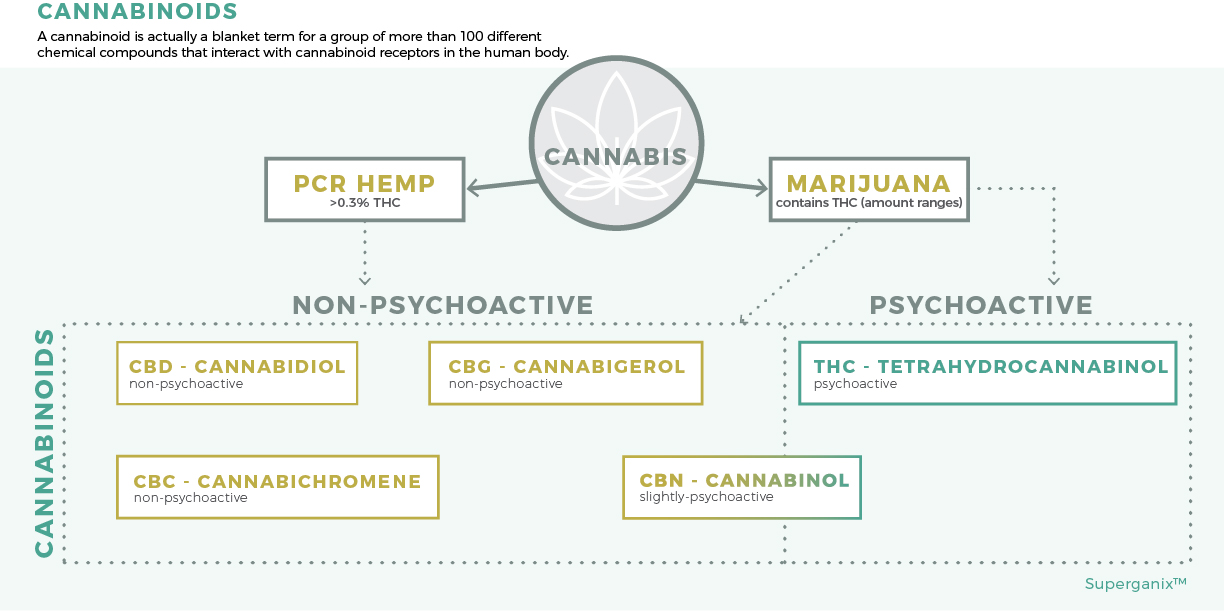
A cannabinoid is actually a blanket term for a group of more than 100 different chemical compounds that interact with cannabinoid receptors in the human body. Cannabinoids are secreted by the cannabis flowers from the plant. It is actually these cannabinoids that give cannabis the medicinal and recreational properties that have made it popular.
Research is ongoing to determine why cannabinoids produce calming, pain-relieving, and anti-inflammatory effects. We do, however, know how the process works.
Studies show that cannabinoids interact with proteins and cells in the brain in the endocannabinoid system (ECS). The ECS naturally produces endocannabinoids in our bodies.
Endocannabinoids are lipid-based retrograde neurotransmitters that bind to cannabinoid receptors throughout the central nervous system. When endocannabinoids bind to these receptors (most commonly the CB1 and CB2 receptors) they can mediate physiological processes like pain, nausea, appetite, mood, anxiety, inflammation, sleep by regulating our circadian rhythms, and even memory.
Cannabinoids that come from the cannabis plant imitate the feelings that our endocannabinoids naturally produce. That’s how cannabinoid supplements produce therapeutic benefits users enjoy and can fill gaps where our natural production is lacking and balance out our ECS.
To activate our CB1 and CB2 receptors, the cannabinoids can be smoked, vaped, ingested, or applied topically as a cream and absorbed. What effects a user feels will depend on the specific cannabinoid they consume and which receptor the cannabinoid binds to.
Some cannabinoids, like THC, bind to receptors in the brain, while others, such as CBN, will bind to CB2 receptors found throughout our body. This is why different cannabinoid products will offer specific types of relief. More products and treatments will become available as more is learned about each of them, but for now, here is a brief overview of what we know to help you differentiate between four of the most studied cannabinoids: CBD, CBN, CBG, and CBC.
What is CBD – Cannabidiol
The second most common and popular cannabinoid (behind THC) is cannabidiol or CBD.
CBD has numerous potential health uses and has been used to:
• relieve chronic pain • treat anxiety • moderate mood swings • help control the frequency of seizures • as an antidepressant • as a sleep aid • to fight cancer tumors and treat the side effects associated with cancer • to treat symptoms of Alzheimer’s and Parkinson’s disease • relief from vomiting and nausea
Unlike THC, which is the cannabinoid that produces marijuana’s signature “high,” CBD is non-psychoactive, meaning it does not produce a high. CBD actually actively prevents THC from binding with our CB1 receptors, which is why certain strains of marijuana are more potent than others. Instead of getting high, CBD users experience a calming sensation. CBD is derived from CBDa, and converts to CBD at around 245 degrees Fahrenheit.
The quantity of CBD and THC in a cannabis plant are inversely related, meaning that plants high in THC will be low in CBD, and vice versa. This allows hemp farmers to breed plants that are high in CBD and low in THC, while marijuana farmers can do the opposite.
CBD’s vast potential has created a boom in recent years. A recent poll by Gallup showed that roughly 14 percent of Americans use CBD supplements. It is more popular with young people, but over eight percent of people over 65 have tried CBD as well, according to the same poll.
CBD’s recent boom is thanks in big part to an amendment to the 2018 Farm Bill that removed CBD and hemp from the list of “scheduled” drugs that are outlawed by the Controlled Substances Act. This amendment declared that hemp-derived CBD is not an illegal drug and made CBD supplements that come from industrial hemp legal in all 50 states.
While these supplements are indeed legal, the FDA has placed strict limitations on CBD products and how they can be marketed. But in spite of these restrictions, CBD products are everywhere.
Since hemp CBD oil is extracted from hemp plants, it is often referred to as CBD hemp oil. CBD oil can be extracted from both marijuana and hemp plants but you need a medical license to buy CBD that comes from a marijuana plant as it is then considered a marijuana product. Hemp CBD oil products are available on the market for anyone, license free, such as the Hemp tinctures offered by Superganix™.
CBN – Cannabinol
CBD vs CBN. This is where things start to get a bit more complicated. You’ve likely heard of CBD, but what is CBN?
CBN, or cannabinol, is produced by aged THC. When THC is exposed to air and light over time, it oxidizes and forms CBN. Previously, CBN was believed to be a waste byproduct of the plant unworthy of further examination until a study revealed its potential as a powerful sedative.
CBN is slightly more psychoactive than CBD, but is still much less psychoactive than THC. CBN primarily binds to the CB2 receptor but may also interact with the CB1 receptor.
Thought to be the most powerful sedative cannabinoid, CBN is most often seen in sleep aid products to help treat insomnia. CBN is also considered to be a powerful anti-inflammatory that can be used to treat pain. An easy way to remember it is “N” is for “nighttime.” Products with CBN are often considered to be more of a “heavy indica.”
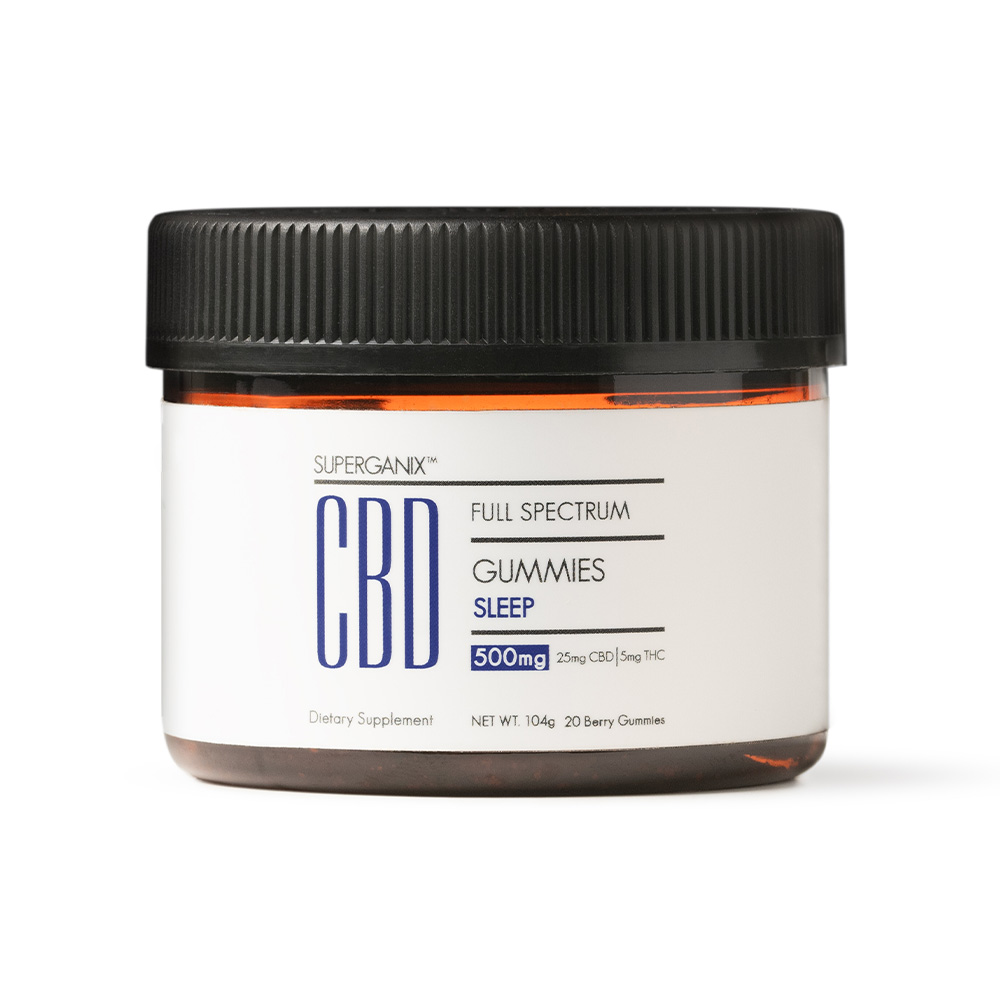
Superganix offers incredible CBD CBN Sleep Gummies. One of the extra strength Sleep Gummies offers 25mg CBD, 5mg THC, and 5mg CBN. The elderberry gummies also feature a supporting feature to help induce relaxation and ease you into sleep with the elderberry extract. If you’re looking for CBN gummies, look no further than Superganix’s Sleep Gummies.
Now that you’ve gotten familiar with CBD vs CBN… What is CBG?
CBG – Cannabigerol
Cannabigerol, or CBG, is another cannabinoid gaining attention as more is learned about its potential health benefits. CBG is non-psychoactive like CBD and is found in small concentrations in the cannabis plant, making it more difficult to extract.
CBG is actually sometimes referred to as the “mother of cannabinoids” because many cannabinoids start out as a form of CBG. Its base compound, cannabigerolic acid (CBGa), provides the original material for not only CBG, but also THC and CBD. The amount of CBG in a cannabis plant actually declines as the plant ages because CBG is used to synthesize other types of cannabinoids.
After CBG oil is extracted, it is often mixed with a carrier oil, such as MCT oil, to produce an edible or topical product. This helps add to and amplify the medicinal effects of CBG. A 2022 study finds CBG possesses antioxidant, anti-inflammatory, and anti-tumoral activities, and has anti-anxiety, neuroprotective, dermatological, and appetite-stimulating effects.
An easy way to remember it is “G” is for “good time,” meaning it is known to be a little more stimulative. Products with CBG are often considered to be more of a “sativa.” Excellent for day time use, if you’re going on a hike or a concert, to give you a little more of an energetic boost. CBG gummies are an easy way to enjoy the benefits of CBG.
Superganix also has wonderful Awake Gummies. One of the extra strength Awake Gummies offers 25mg CBD, 5mg THC, and 2.5mg CBG. If you’re looking for CBG gummies, Superganix’s Awake Gummies are the way to go.
CBD vs. CBG
There are many similarities between CBD vs CBG, especially since they are both derived from CBGa. However, when you break things down further, there are differences between CBD and CBG.
The biggest is that CBG elicits its effects directly via interaction with the brain’s CB1 and CB1 cannabinoid receptors while CBD acts mostly through indirect interactions with the endocannabinoid system. CBG gets right to the source!
There are many potential CBG benefits. Studies are somewhat limited for CBG but have shown that it may help in the treatment of health issues like glaucoma by reducing intraocular pressure in the eye. CBG also has anti-inflammatory properties and could be used to treat bowel issues and Crohn’s disease. Another study showed that CBG may have potential in the treatment of neurodegenerative diseases such as Huntington’s disease.
Unfortunately, CBG is also very difficult to extract because most hemp plants only contain small amounts of the cannabinoid. This is why CBG is one of the most expensive cannabinoids. If a way is found to produce CBG in higher concentrations, it may indeed become the new CBD as far as popularity is concerned, it just needs to be more economical.
For now, CBG has vast untapped potential. But as studies move onto human phases, we will learn more and there is certainly reason for optimism.
Superganix Relief Gummies combine the best of all cannabinoids in one convenient application so the benefits of CBD, CBG, CBN, and CBC are all in one place.
CBC – Cannabichromene
CBC or cannabichromene was actually discovered over 50 years ago but has not been researched extensively until recently. It is the third most abundant phytocannabinoid in the cannabis plant behind CBD and THC, and stems from the same origin — cannabigerolic acid (CBGa).
The concentration of CBC in cannabis rarely exceeds 0.2-0.3 percent on a dry weight basis. This is much lower than the other major cannabinoids, making it even more difficult to extract than CBG. CBC’s potential health benefits can be improved with other cannabinoids, like CBD and THC, a process known as the “entourage effect.”
CBC has potential health benefits that are giving the health community reason for optimism. The most promising use may be to treat pain and inflammation. CBC has been shown to block pain and fight inflammation without activating cannabinoid receptors. This effect is even more effective when CBC is combined with THC for the entourage effect.
The Relax Gummies by Superganix are the perfect blend of CBD vs CBC vs THC with 25mg CBD, 5mg THC, and 2.5mg CBC. Excellent for the afternoon or early evening to help provide stress relief and calming for anxiety. While they are not as strong CBN as the Sleep Gummies, they can still provide sleep support.
Summary
It’s clear that cannabinoids have vast potential in the health community, and more products and treatments will emerge as studies continue. CBD, CBN, CBG, and CBC have similar qualities but also have unique capabilities when isolated or used in conjunction with other cannabinoids.
We’re really just scratching the surface for what cannabinoids can do and they may even present an attractive option to assist with the current opioid epidemic. Cannabinoids are far less dangerous and addictive as you cannot overdose on cannabinoids, but can overconsume and experience minor discomforts. Make sure it is safe for you to take any cannabinoid, and do your homework to see what products contain THC and will therefore show up on a drug test.
Superganix™ provides nature-based healing through hemp products. If you’re ready to give hemp products a try, check out the Superganix™ line of CBD oils, creams, and balms today.
What is CBD? What is it used for? Over the past few decades, a much stronger interest in health and wellness has blossomed and grown throughout the world. Even more recently, since the start of the coronavirus pandemic, the population has become ever more focused on the topic as priorities have shifted. If you’re new to the world of hemp and CBD, read on to learn more about this rapidly growing phenomenon and for a beginners guide to CBD oil and CBD gummies.
1) WHAT IS HEMP?
Hemp is a variety of the cannabis plant that contains less than .03% THC. Most hemp
plants grown today look and smell the same as traditional marijuana or “weed” does. Once
the hemp plant reaches maturity, it can then be processed through a variety of different
methods, one of which is Supercritical CO2 extraction. This technique extracts targeted
compounds from the plant.
2) WHAT IS SUPERCRITICAL CO2 EXTRACTION?
Supercritical CO2 extraction is the natural and environmentally-friendly way of separating one component from another using supercritical fluids as the extracting solvent. This is how cannabinoids are seperated from the other plant matter. This is also the preferred method by most high-end essential oil companies in order to produce USDA Organic finished products. It yields higher returns and preserves more botanical compounds, and in hemp’s case, that’s cannabinoids, specifically CBD.
3) WHAT ARE CANNABINOIDS?
Cannabinoids are substances that bind to the body’s cannabinoid receptors in the endocannabinoid system. It is thought that the cannabis plant contains around 100 cannabinoids, but only a few of them have so far been studied by scientists. In addition to those cannabinoids, the cannabis plant also contains hundreds of other chemicals. Researchers are still learning how those substances interact to produce the effects the plant has on the human body.
4) WHAT IS CBD?
As mentioned, the cannabis plant contains 100+ different known cannabinoids, one of which is CBD. CBD, or cannabidiol, is one of the main active ingredients of cannabis. Today, it is often used as an oil or a tincture because it is thought to have numerous health benefits. CBD is not psychoactive, unlike THC, which is the part of the cannabis plant that causes the “high” associated with marijuana.
5) IS CBD SAFE?
As part of our beginners guide to CBD oil & CBD gummies, we want to say that CBD is generally thought to be safe and well-tolerated, to the extent that physicians are investigating the potential for using CBD in the treatment of many chronic conditions. A generally healthy person taking low doses of CBD is unlikely to experience adverse effects. With that said, there is some risk of drug interactions if CBD is taken by someone who is on other prescription medications. Research into the use of CBD in a clinical setting is still ongoing. Consult your doctor before taking CBD if you have any pre-existing medical conditions.
CBD, at least in the form that is commonly sold in stores, can be directly extracted from the hemp plant. Hemp is the sister crop to marijuana, being essentially the same plant (both are cannabis), but bred to produce zero, or near-zero, THC. This is important because while there are many medicinal uses for cannabis and cannabinoids, THC-containing cannabis is not legal in all parts of the world, or even all states (it’s only legal in 33 states so far). CBD, which is free from THC, offers many of the same benefits and is “conditionally legal” to use in all 50 states.
8) IS CBD LEGAL IN MY STATE?
The federal government recently passed the 2018 Farm Bill to define that industrial hemp (containing less than .03% THC) is no longer a restricted plant, nor are its byproducts. The confusion we keep hearing about with the FDA and CBD, is with the actual word “CBD” being marketed to consumers as “CBD.” The industry is now shifting towards labeling products as “Hemp” and “Hemp Extract” to comply with the FDA guidelines. Always review the Certificate of Analysis (COA) to ensure the cannabinoid contents of your product, as hemp oil and hemp seed oil are two different products and only hemp oil contains CBD.
9) WHAT IS A CERTIFICATE OF ANALYSIS (COA) ON CBD PRODUCTS?
A Certificate of Analysis (COA) is a certified lab document that details the contents of the cannabinoids and shows testing results that no harmful contents are present. This is also particularly important for people who are consciously avoiding THC. When purchasing a CBD product, it’s critical to make sure the company offers a legitimate COA from a third-party lab test. If the company doesn’t offer a COA, it’s probably best to move on and find another CBD company.
10) WILL CBD SHOW UP ON A DRUG TEST?
CBD should not show up on a standard drug test, as long as the product contains no THC. If, however, the product is contaminated with THC this may make you fail a drug test. If you expect to be taking a drug test in the near future, be careful to ensure that any CBD you use is either broad spectrum or an isolate, both do not contain THC. Always review the product’s COA.
11) WHAT CBD PRODUCTS ARE BEST FOR ME?
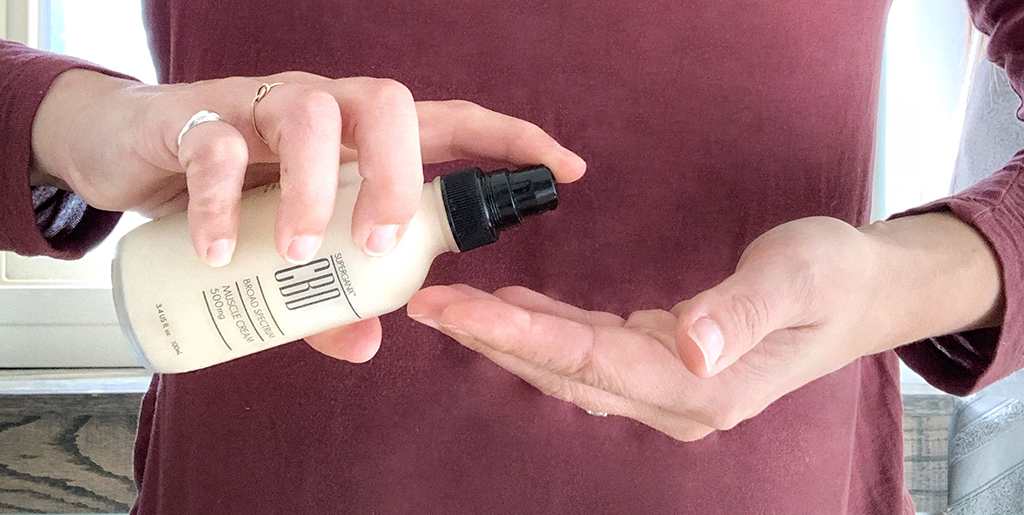
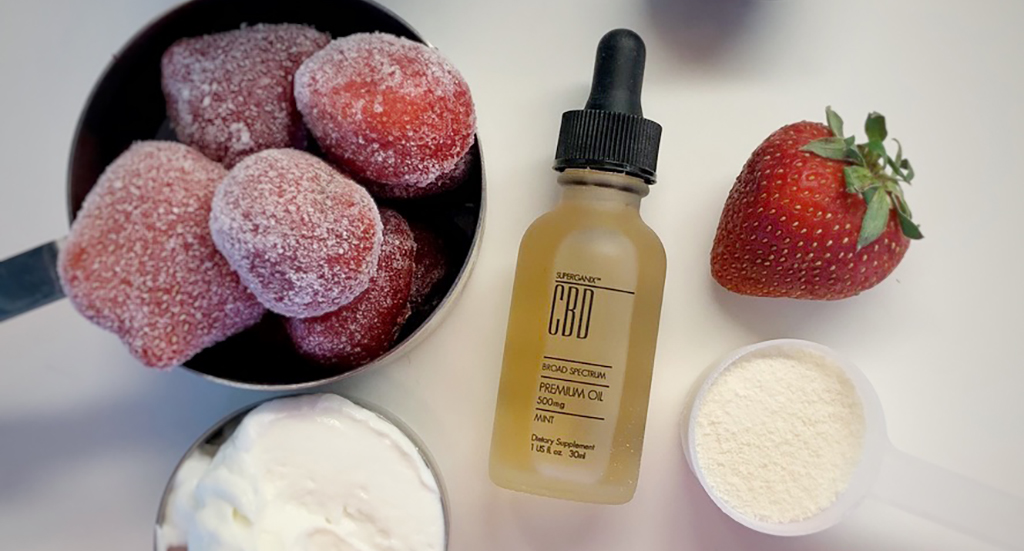
Luckily, these days CBD comes in almost any product you can imagine. Trends with consumers in 2020 are still pointing to the most popular products such as, oils and tinctures, edibles, and topicals. Sublingual oils and tinctures can be quite effective and have a longer lasting effect. Gummies and other edibles offer a pleasant sweet experience and also have lasting effects. Topical applications are popular with those who are struggling with arthritis or other acute physical discomforts. In these cases, broad spectrum CBD balms are a good idea if you want to get the beneficial effects of not just CBD, but other cannabinoids as well.
12) WHAT CBD DOSAGE SHOULD I START WITH IF I’M A NEWBIE?
The right CBD dose depends on your weight, the type of condition you’re treating (or your goals from taking CBD), the concentration of CBD in the product you are consuming, and how you react to CBD in general. Everyone is unique, so it takes experimentation and time to figure out what works best for you as an individual. In general, a dose of 20mg to 40mg per day is a good starting point. If, after a week, you don’t notice any improvement in your symptoms, increase the dose by 5mg. Repeat until you reach a dose that works for you. Like all supplements, it’s recommended to take CBD 10-14 days in order to get it on board in your system. Generally, the more continuous and consistent the use, the better and more accurate the results.
13) WHAT’S THE DIFFERENCE BETWEEN WEED AND CBD?
Weed is the colloquial name given to the variety of cannabis plant, known specifically as marijuana, that is traditionally smoked. The marijuana plant contains THC in addition to other cannabinoids, including CBD. CBD is just one single (non-psychoactive) cannabinoid that can be extracted from the hemp strain of cannabis plants. Most commercially available CBD is extracted from hemp. The simple explanation is Hemp has under .03% THC, and “weed” or marijuana contains more than .03% THC.
14) CAN YOU TRAVEL WITH CBD?
The TSA says that passengers may travel within the United States with CBD as long as the product contains less than 0.3% THC. Check the COA of any CBD products you purchase to ensure that you are within this limit. It is best to put your CBD in your checked luggage to ensure compliance with any liquid restrictions in place.
15) IS CBD SAFE FOR PETS?
It has become popular for pet owners to give their animals CBD products. It’s important to note that the safety of CBD for dogs and other pets has not been researched and any ‘recommended dosing’ is guesswork. Regardless, many veterinarians are recommending CBD for animals with certain conditions. For example, early studies suggest it could help with pain management in osteoarthritic dogs. Cats appear to process CBD differently to dogs, and doses that appear safe for dogs sometimes cause side-effects in cats.
If you are considering giving CBD to a pet, seek guidance from a veterinarian first to ensure
that you are giving them an appropriate dose. Any ‘safe’ dose for a pet will be much smaller
than the recommended dose for an adult human, and giving a pet too much could cause unwanted side effects.
If you’re curious about CBD and would like to try some natural hemp or CBD products, take a look at the range in the Superganix™ store. We have balms, oils, and creams to suit all preferences, including zero THC CBD. Contact us for more information on this beginners guide to CBD oil.
Get 30% Off Today!
Become an Exclusive Member and instantly receive a code!


 The growing conditions need to be just right. Before starting, consider getting your soil tested to ensure it’s the right quality for optimal crop growth